
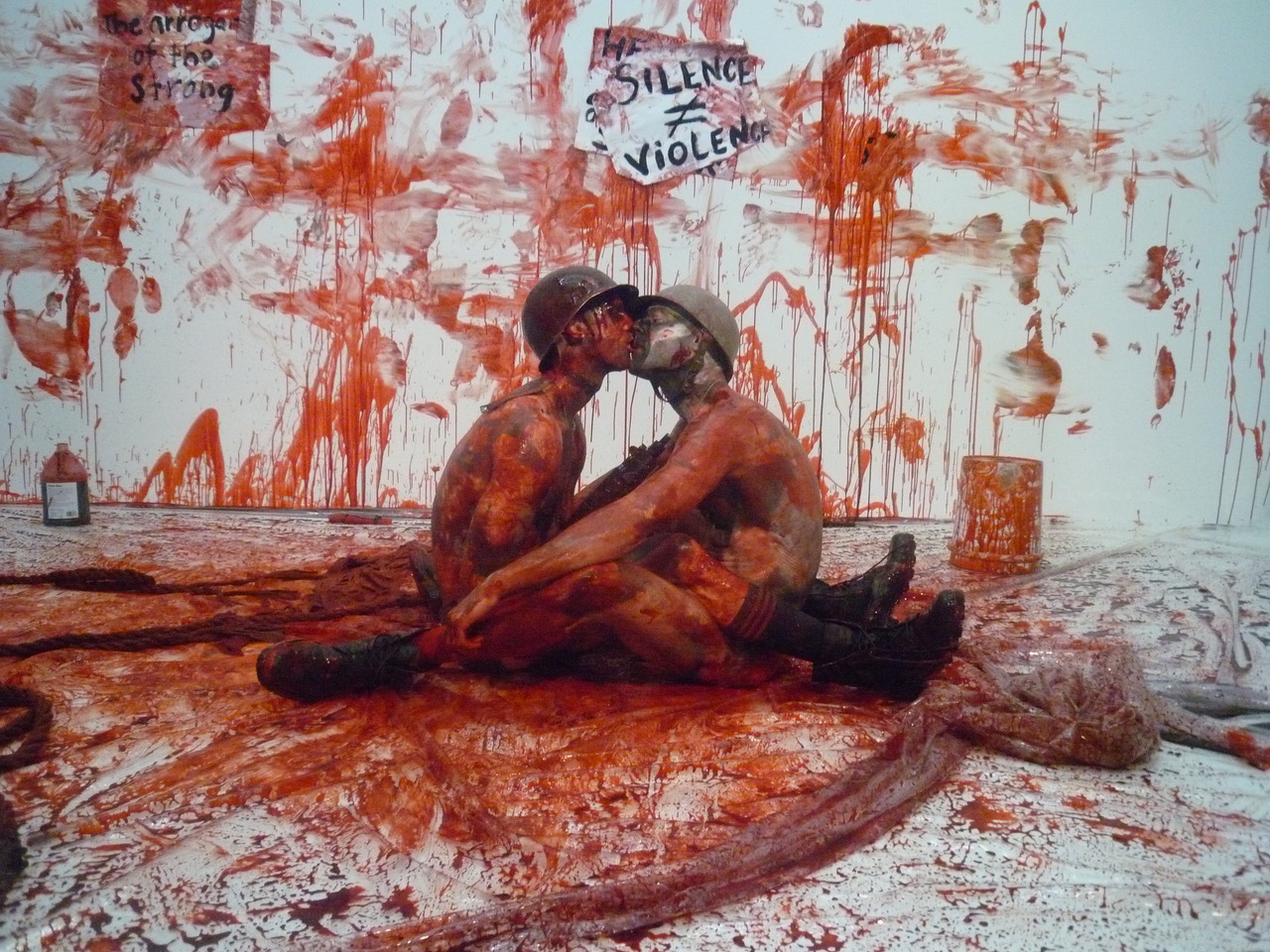
( Warning: Art depicting nudity, sexual content, blood and gore)
AN INTERVIEW WITH ART REBELS BRUCE LABRUCE AND SLAVA MOGUTIN ON FASHION, PORN AND CENSORSHIP
Version of this interview originally published on Collectible DRY 24
text Riccardo Slavik, images Bruce LaBruce and Slava Mogutin
“Needing to have reality confirmed and experience enhanced by photographs is an aesthetic consumerism to which everyone is now addicted. Industrial societies turn their citizens into image-junkies; it is the most irresistible form of mental pollution.”
Susan Sontag, On Photography
“The debate raging now is about aesthetics – about how pornographic images are mediated in the mainstream, and about the lexicon that has developed to accommodate this imagery. I’m quite willing to consider the aesthetic dimension of pornography because I think that’s what ultimately civilizes porn and makes sense of it.”
Bruce LaBruce, Porn Diaries

We live in a society increasingly connected through online spaces and where all sorts of images, videos, memes and GIFs are readily available, we are bombarded with ‘content’ on apps and channels that vie for supremacy over our ever decreasing attention spans. As Max Fisher pointed out in his book The Chaos Machine ‘’Extended time on social media is addictive, and it changes your behavior, and it changes the way that your mind works.’’ Social media companies are competing with each other to make us spend as much time as possible on their apps and websites, and the content that attracts more attention gets pushed further up front. This is why we see much more of content that sparks outrage, or creates a stronger response. Sexually inviting content has always been used to sell products, especially but not exclusively, to men, and men’s fashion has a fundamentally homoerotic foundation, as it tends to be deeply narcissistic. The internet porn revolution and the new economy of sex workers creating their own content and publishing independently on platforms like OnlyFans has pushed the world to a peak of self representation in sexual form which probably rivals in seismic shift the invention of the Polaroid. With fashion brands reaching out to ever expanding markets we see the limits between Porn and Fashion being in constant shift. Designers like Ludovic de Saint Sernin creating a capsule collection for PornHub ( presented through a steamy hardcore video by Matt Lambert), Glenn Martens sending Murano glass sex toys as an invitation for Diesel’s SS 2022 show, or porn stars like Sean Ford appearing in fashion shoots and campaigns, show how blurry the lines between Fashion and Porn are becoming. And it’s not just a ploy to exploit the transgressive aspect of sexuality, when JW Anderson showed his FW 2016 collection on Grindr he talked about Grindr, Tinder and Instagram as ways of communicating beyond fashion’s usual channels. This seemingly liberated approach to sexuality comes with a pushback against bodily autonomy and any sort of ‘alternative’ identity from right wing political parties and an increasing fascistic approach to censorship by social media companies all too happy to help dictatorships for economic gains but strangely rigid over the appearance of a nipple in a post.
To examine this relationship between Fashion and Porn, and the perils of Censorship, we have reached artists and activists Bruce LaBruce and Slava Mogutin.

As Big Mother says in my movie “The Misandrists,” “pornography is an act of insurrection against the dominant order. It expresses a principal inherently hostile to the regulations of society.” That in itself is political. Bruce LaBruce
Both Bruce and Slava have worked with sexually charged content ( Slava has even appeared in LaBruce’s Skin Gang, his 1999 art/hardcore film about gay skinheads) but have also created images for mainstream and independent fashion magazines, and both have been dealing with censorship all their lives.
.
DRY: In an interview for Another Magazine you said you both shot images for porn magazines like Honcho and Mandate in the past, but you’ve also been creating fashion editorials for international magazines, how hard is it to maintain a personal point of view in Fashion and Porn? And since both industries rely on artifice and technique to sell a dream and an ideal that doesn’t necessarily reflect what is actually going on on a set, what has most surprised you about what goes on behind the scenes? Have you ever had to compromise on aesthetics or content?
BLAB: When I started making queer punk super 8 movies and fanzines in the late 80’s and 90’s, I began to use pornography as a medium, and as a political tool. Most of my early work leaned into pornography, at first using found industry or underground pornography, then gradually making my own crude, amateur, sexually explicit works that represented my own personal interpretation of pornography outside of industry conventions. I incorporated techniques and strategies of collage and detournement, effectively “queering” and “porno-izing” punk. Punk for me was always more about personal style than fashion, favouring ambivalence and ambiguity over direct and literal political signification. Later, in the late 90’s and the oughties and beyond, I started working for more mainstream, “industry” porn magazines and production companies, so it was more about working within those conventions, pushing porn, from the inside, in a more experimental or political direction. I also started doing photo spreads and editorials for fashion magazines, working more within the conventions of that world but, again, attempting to make it more subversive or punk. Making more mainstream porn was both a demystifying and somewhat disillusioning experience, learning the tricks behind the artifice, the illusion of creating a seamless, idealized narrative sex scene, going against the “genital worts and all” approach of more underground and experimental cinema. But for me it was more about making the work “political,” in the broadest sense of the word. I also tried to make my fashion work as porn-y as possible, but the mainstream fashion world is even to this day pretty porn-phobic. But in both fashion and porn, I always feel like I’m acting as something like a fifth columnist. (I just read Slava’s answer to this question and obviously he feels much the same way, acting as an “insurgent” or “infiltrator.”) But I will confess that I do sometimes feel somewhat compromised. The full-blown faggot in my likes to swallow and wallow in more mainstream fashion representation! It’s an existential kink thing. Makes me feel dirty.
SM: Every time I do commission work, I feel like a queer insurgent, an infiltrator. Every commission is an opportunity to work outside my comfort zone, and work with talent outside of my immediate circle. Even working with major companies and brands like HBO, Comme des Garçons or Helmut Lang, I never compromised my vision or artistic integrity. I made every shoot and project my own, and I’m just as proud of my commercial work as my personal art.
DRY: Bruce, in Porn Diaries you wrote: ‘as Godard said in NUMERO DEUX “Le cul, c’est aussi la politique” – the sexual is also political – you can also say Le porn star, c’est aussi politique ‘, and affirmed your intentions for doing porn were always political. Do you guys think that porn can be political still?
BLAB: Yes, of course. As Big Mother says in my movie “The Misandrists,” “pornography is an act of insurrection against the dominant order. It expresses a principal inherently hostile to the regulations of society.” That in itself is political. I also like to inject more overt political messages into the porn I make, like using politically-charged voice-over in “No Skin Off My Ass” (including that of Angela Davis), or Slava’s political poetry over a sex scene in “Skin Flick,” or the text I stole from Raoul Vaneigem’s “The Revolution of Everyday Life” in “The Raspberry Reich” or from “Simone de Beauvoir and Ulrike Meinhof in “The Misandrists.”
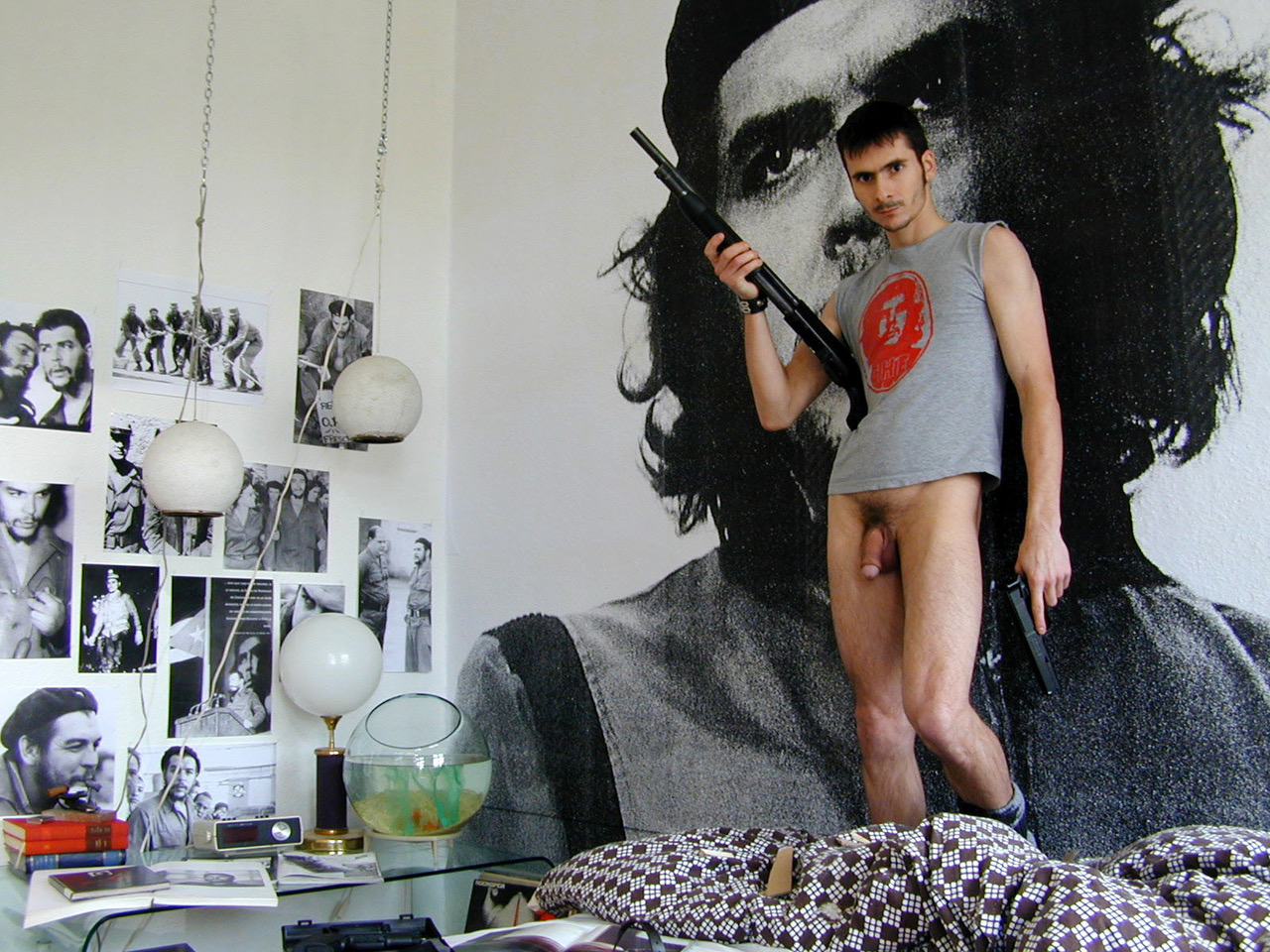

DRY: You work with both with images and language, for Bruce it is often a juxtaposition of imagery and dialogue even in the more ‘straightforward’ porn projects, for Slava it is through poetry and graphic works often presented next to photographs. How do you approach your artistic vision in different media?
BLAB: For me, everything comes from the same place. No matter what medium I’m working in, it springs from the same creative energy, which for me is inextricably linked with sexual energy and/or punk energy, which was also often very aggro and sexual. The gay liberation movement of the late 70’s and 80’s, which I experienced in my youth, was driven intensely by sexual energy, provocation, visibility, experimentation, subversion, and often perversion and fetish. It still drives my work.
SM: I started out as a poet and journalist. Most of my visual work is either text-based or rooted in my Russian literary and dissident background. My photography is a mix of portraiture and journalism. Ultimately I remain a poet in everything I do.
DRY: You have both expressed yourselves through different media but you have just closed a joint photographic exhibition, what are your inspirations for the photographic part of your work?
BLAB: Our joint show in Mexico incorporated both photography and video. Slava and I are so often on the same page, and have appeared in each other’s photo/video/film work, so it’s all very simpatico. I always considered myself primarily a filmmaker, but photography has become increasingly important to me and I’ve published a number of photo books recently with Baron Books. I like the aesthetic and formal aspects of photography, and I’m really into portraiture, as is Slava. I think we’re both into capturing the essence of a subject, hopefully without stealing their souls!
SM: I’m a total voyeur. If I take pictures I’m happy, I’m happy when I take pictures. It’s an honor to show my work alongside Bruce’s. He was and still is one of my mentors and heroes.
DRY: Freedom of speech has lately been used as part of a culture war by political forces on the Right that want freedom for their own speech, in particular freedom to use offensive and hateful speech without facing consequences. It also seems that the polarizing effect of social media has made people see rights as a zero-sum game where if somebody else is enjoying basic human rights they somehow diminish one’s own. With social media relying on algorithms, AI and a handful of human moderators ( ‘Move fast and break things. Unless you are breaking stuff, you are not moving fast enough.’ Is a Tech Bro ideology espoused by Mark Zuckerberg and shared by many of his peers) we see censorship increasingly striking at random, ignoring nuance and targeting marginalized groups like LGBTQ creators, yet as people who work in creative fields we all need a digital space to share our work with others, how do you navigate social media as queer creatives? Does self censorship affect the way we can communicate our ideas in a digital space?
SM: The Big Tech Bro doesn’t give a fuck about LGBT community or any other community, it’s all about profit over people. And it just happened that homos always cause too much trouble for governments and corporations alike, so naturally we’re being bullied and harassed way more than heteros. Virtually every queer artist I know have experienced censorship across various platforms, and it seems to be getting worse. There’s a whole generation of young creatives who’re constantly self-censoring—essentially self-castrating—trying to fit into these rigid corporate guidelines.
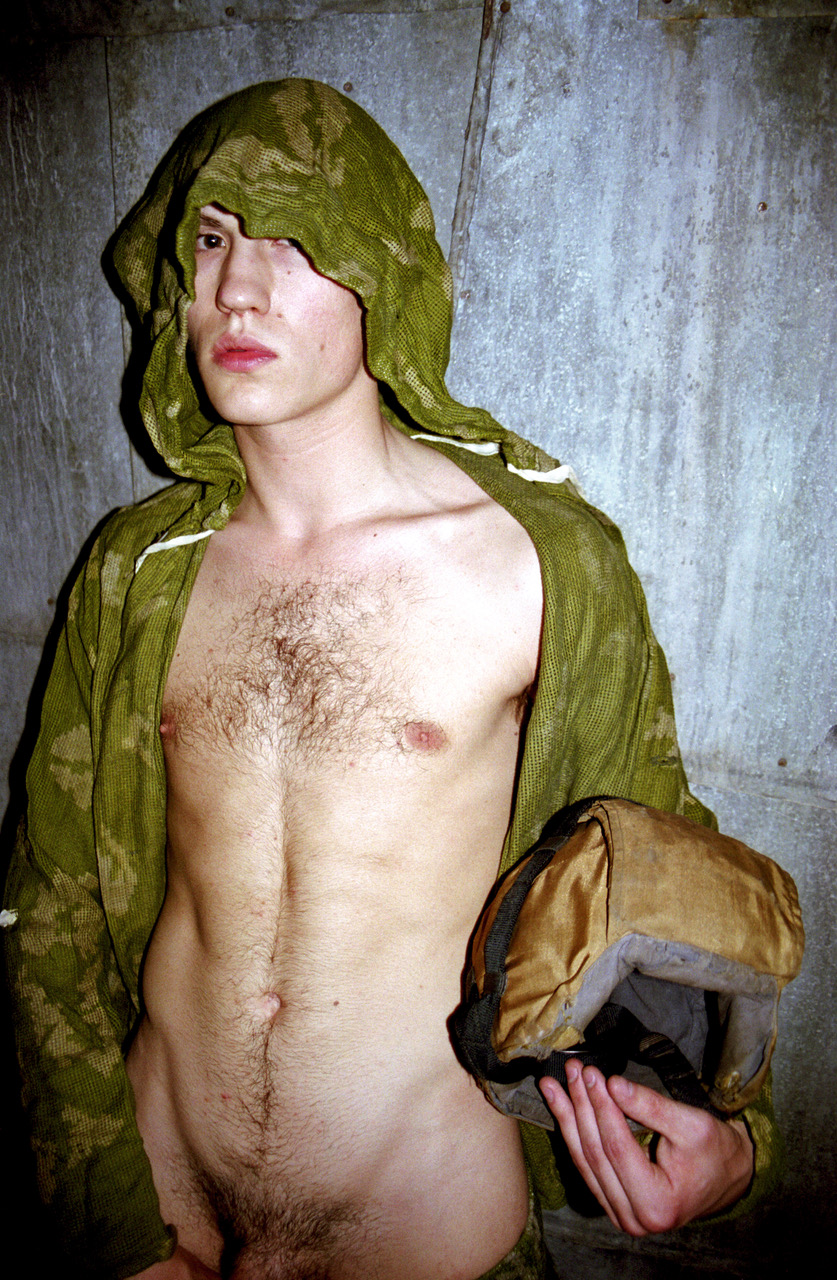
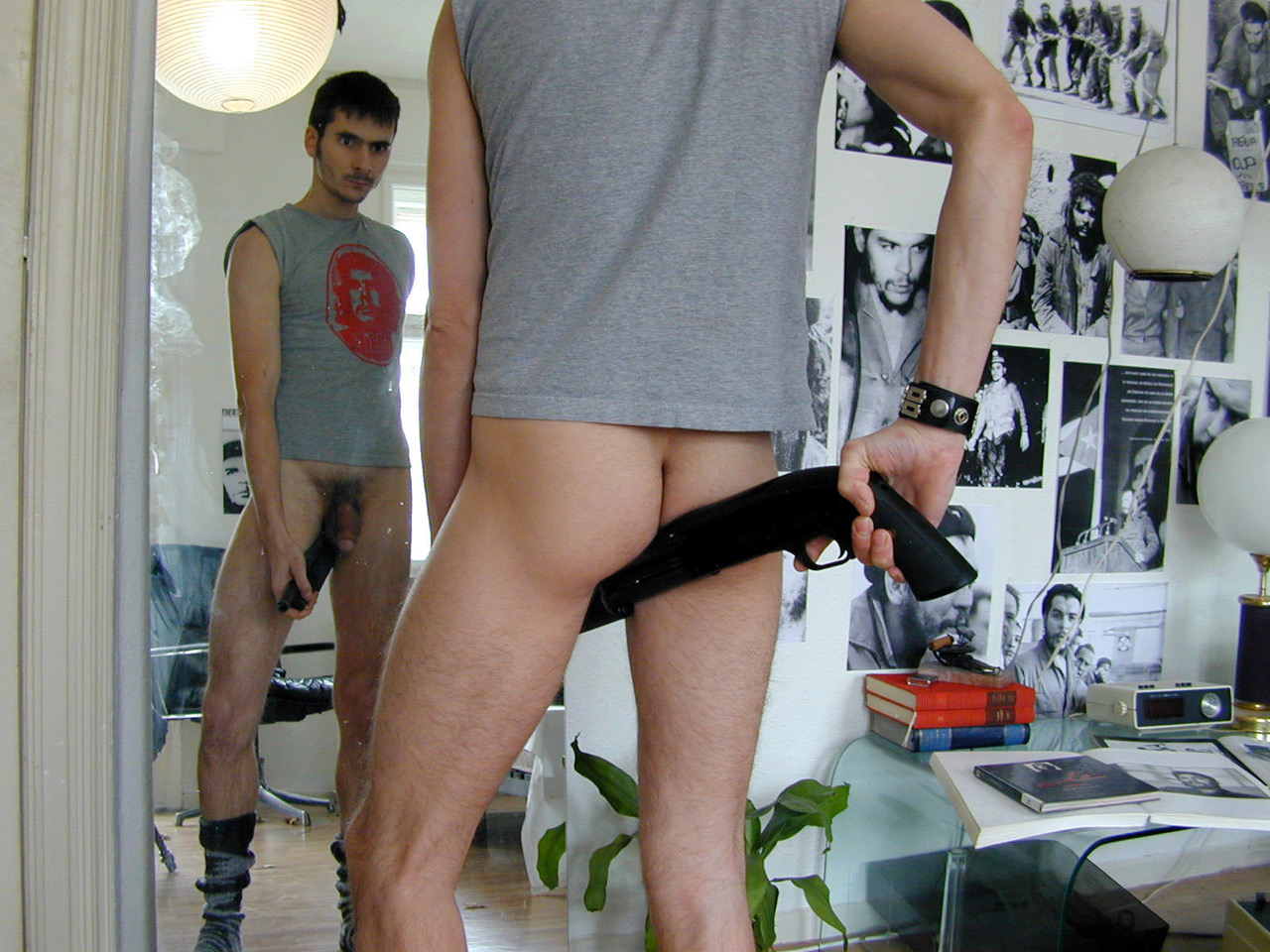
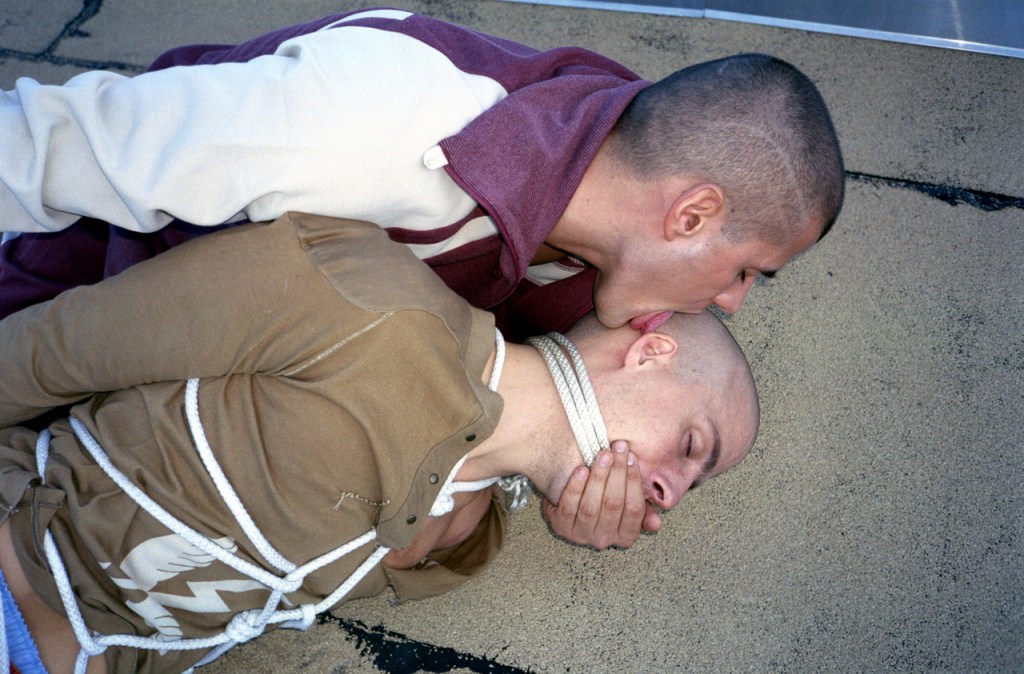
These so-called “social media platforms” are in fact giant tech corporations that package and sell our content and data. And the so-called “community guidelines” are in fact corporate fascism designed to police our communities, control our minds, creativity and artistic expression. It’s a hyper-capitalist machine that breeds mediocrity, hypocrisy and conformism. Slava Mogutin


DRY: Recently Josh Nunes, the leader of a Neo-Nazi organization called National Socialist Florida told Them magazine that the anti-drag rhetoric pushed by right wing politicians has really helped his organization grow their recruiting numbers, Bruce, you’re no stranger to drag, having done a number of videos with Glenn Belverio ( as Glennda Orgasm) in the 90’s as Judy LaBruce ( my personal favorite being A Case For The Closet). What do you guys think of this crackdown on LGBTQ rights, especially targeting trans people and drag performers?
BLAB: I don’t know who I would not want to meet in a dark alley more, a homophobic neo-Nazi or a mean drag queen on the rag! In other words, I think drag queens can generally take care of themselves! But seriously, obviously I support queer people, but I’m also concerned with how the assimilation of the LGBTQetc. movement and of drag and of everything else queer has watered down everything and made it more palatable and desexualized and normative and domesticated. It kind of takes all the fun out of it!
SM: It’s a part of a global trend, we’re going backwards in terms of our rights and freedoms. I know several young gay refugees from Russia and Ukraine who, like me 25 years ago, applied for political asylum in the US. According to the Russian state war propaganda, there’s no distinction between gay and trans people and Nazis and satanists. It’s a flashback to the infamous quote from Maxim Gorky, which became the predecessor of the first wave of gay persecution in the Soviet Union in 1934: “Exterminate the homosexuals and fascism will disappear.” Needless to say, there are still over 50 countries around the world where homosexuality is considered a crime, with at least 10 countries where it’s punishable by death. All I’m saying—we live in a bubble, and all our rights can be reversed by ruthless politicians and religious dogmatics.
DRY: Slava in an interview with Office magazine you said “I never create images to fit the criteria being sold to us as ‘community guidelines,’ because I feel like I am the community and the people I represent. People who censor artists like myself are parasites, and they would be out of jobs if there was no content for them to censor.” You and Bruce have been censored and shadow banned on various sites, apps and social media, ( Bruce’s movies have also been also banned in certain countries despite being presented in Film Festivals all over the world) and you said you’ve been censored more online than when you were living in Russia. The censorship situation in Russia nowadays seems very grim though, with most independent news relegated to clandestine operations and the state even investigating the Pussy Riot show at the Jeffrey Deitch gallery in LA for “violation of the right to freedom of conscience and religion”. In this tug of war between freedom and censorship how do you see the differences and similarities between state censorship and social media ‘guidelines’ ?
BLAB: For artists like Slava and myself, who often deal in sexually explicit or otherwise subversive sexual imagery, social media, or S&M, as I like to call it, is a compromise, end of story. Sometimes you have to make a bargain with the devil. We both rely on S&M to get our work seen, to make professional contacts, and to, as much as I hate the word, network, to stay in touch with friends and peers. And fans! What I fear about it the most is that the self-censorship it entails may on some level, perhaps unconsciously, become internalized, or simply become a bad habit. That’s kind of what these platforms are counting on. They’re very insidious, a kind of corporate colonization of artists and freethinkers. And shadowbanning is even worse than overt censorship. In the latter case, at least you know who your enemy is and can fight or protest against them. These S&M gatekeepers, who are essentially reactionary and regressive, are totally anonymous and unassailable, and are accountable to no one. It’s very dangerous and, indeed, fascist.
SM: These so-called “social media platforms” are in fact giant tech corporations that package and sell our content and data. And the so-called “community guidelines” are in fact corporate fascism designed to police our communities, control our minds, creativity and artistic expression. It’s a hyper-capitalist machine that breeds mediocrity, hypocrisy and conformism.

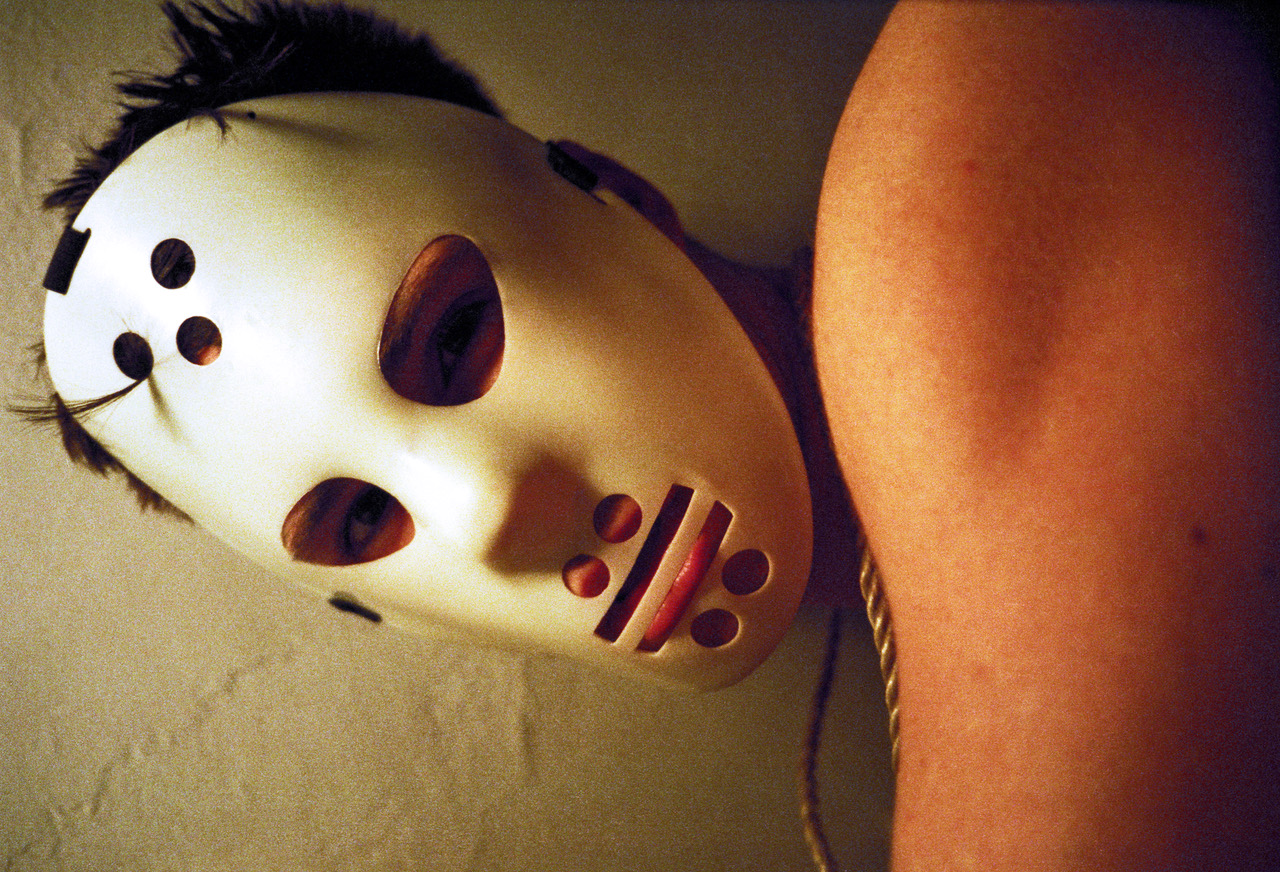
DRY: Bruce, in Porn Diaries you wrote: ‘People think that pornography is a space that is immoral, or amoral, but in fact I’ve found that you need a really strong moral compass to negotiate the world of porn.’ I was wondering how different you guys think it is for the newest generations. I was thinking about fashion and how once upon a time models would be plucked out of rural or small town situations and thrust into the fast, glitzy, ‘debauched’ world of fashion and sometimes they wouldn’t have the strength, brains, or moral compass to survive it, compared to now, a time in which if you have an Instagram account you’ve been ‘modeling’ for years even before you get scouted, do you think this new exposure to public scrutiny and agency in self representation has an impact in how people approach careers in fashion or sex work?
BLAB: People will always get exploited by certain elements of the fashion and pornography worlds – it’s kind of built-in, sorry to be so Hobbesian about it – although awareness of issues of agency and consent are more in the forefront of people’s minds now, so that’s obviously a good thing. As for self-representation before being “discovered,” it can also amount to self-exploitation, which can be good or bad, depending on how you pull it off. So to speak. To Slava’s point about celebrities and pop stars dressing like strippers or street hookers, what strikes me is how paradoxically sex-phobic many of them have become. In the past five or ten years, the trend for women is to dress (or be dressed by stylists) as naked and porno-ish as possible (although there have always been nude and sheer dresses, going back to the 1920’s), but then, for example, not want to do even unsimulated sex scenes in movies. They bristle at the idea of being “objectified,” which, as Daddy Freud pointed out, is a perfectly natural part of sex for everyone, and they seem moralistic about liberated, unregulated sexual expression. The more they look like porn stars and strippers, the more sexually conventional and traditional they become. I find the sexy baby bump fashion trend particularly tiresome. The messaging is very mixed, and it speaks to a certain cultural schizophrenia and ambivalence about sex, especially in the USA. And, of course, Canada.
SM: Bruce’s quote about porn is so profound—leave it to the pros! I think there’s a long tradition of porn being a major driving force behind fashion, art and pop culture. These days every pop star looks like a hooker, and all the hookers look like pop stars. I recently published UNCENSORED book with Vetements, and there’s more nudity in it than most of my books.
DRY: Bruce, we have talked about the ‘ Bad Straight Camp’ trope of the ‘stripper’ look when we discussed Camp and the Met exhibition, but the look doesn’t seem to be going anywhere, actually being by now almost ‘classic’ and mainstream, is this after all a positive movement towards the acceptance of sex work and sexual expression or are we just numbed to the sexual element of it?
BLAB: It’s all hypocrisy. When it comes right down to it, most people still look down their noses at free range strippers and hookers and pornographers. Unless they become rich and famous, then it’s okay.


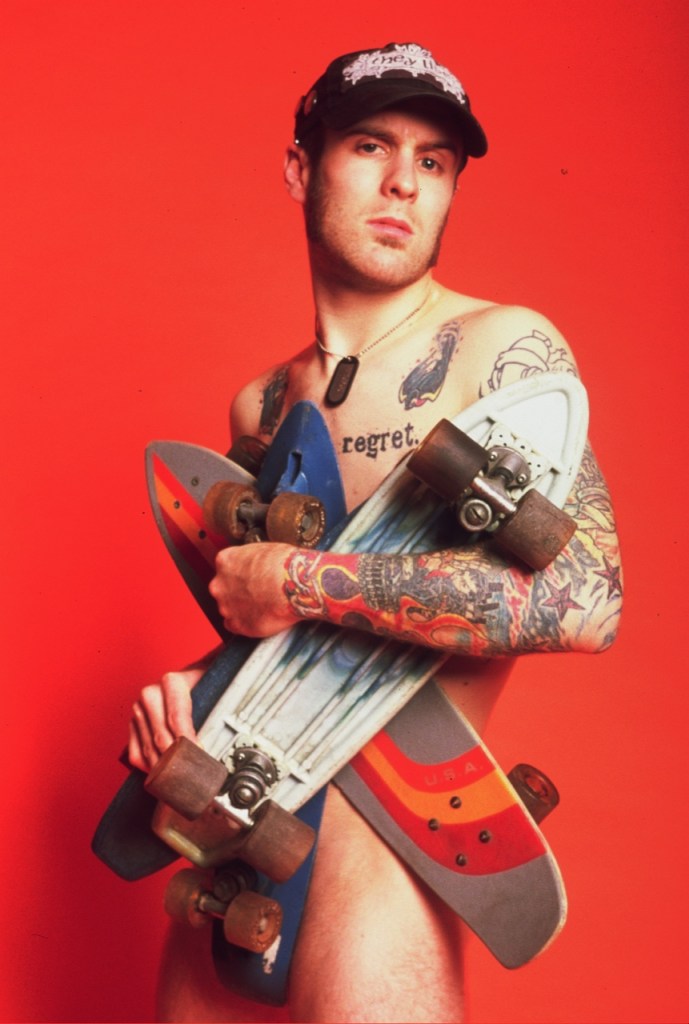
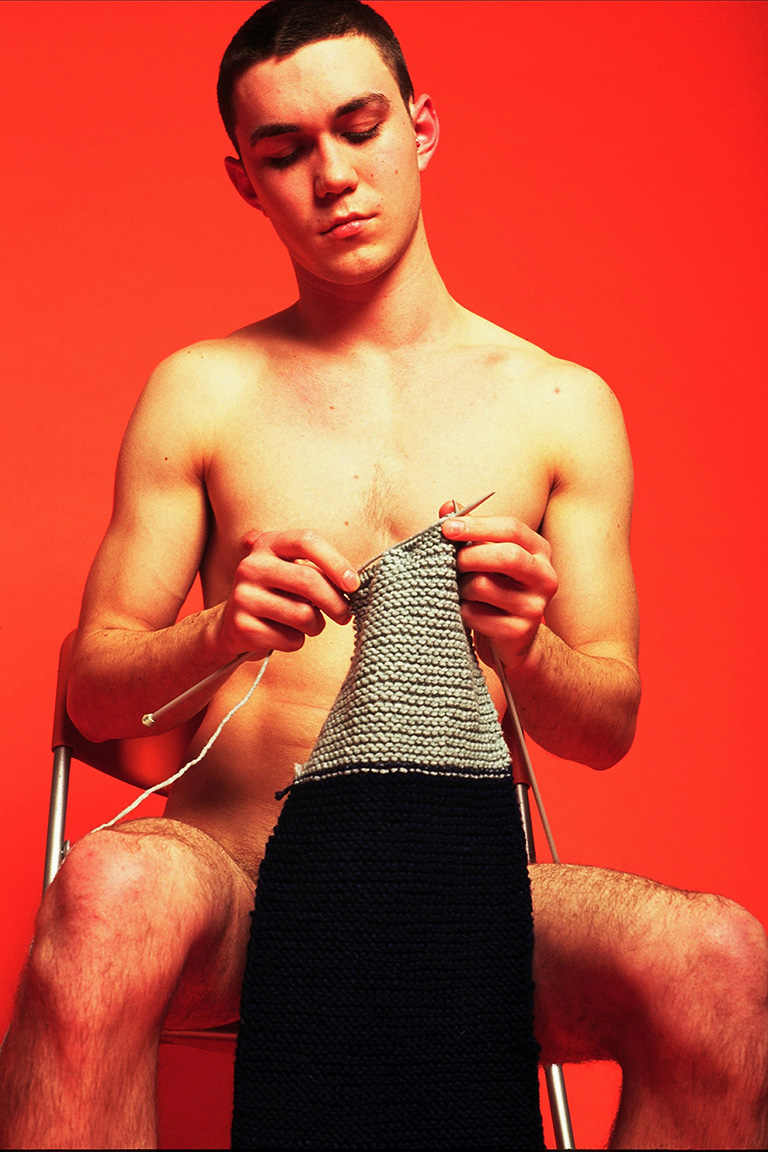
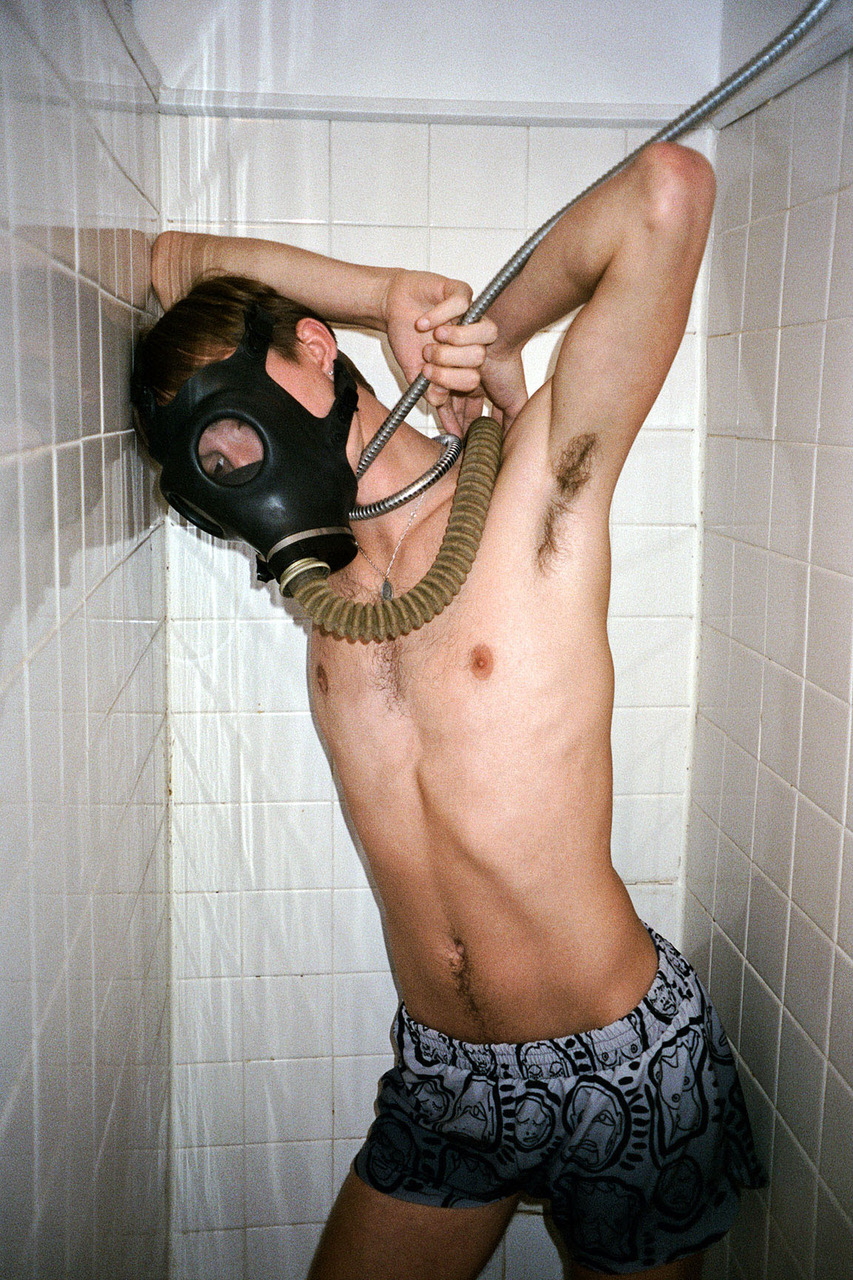
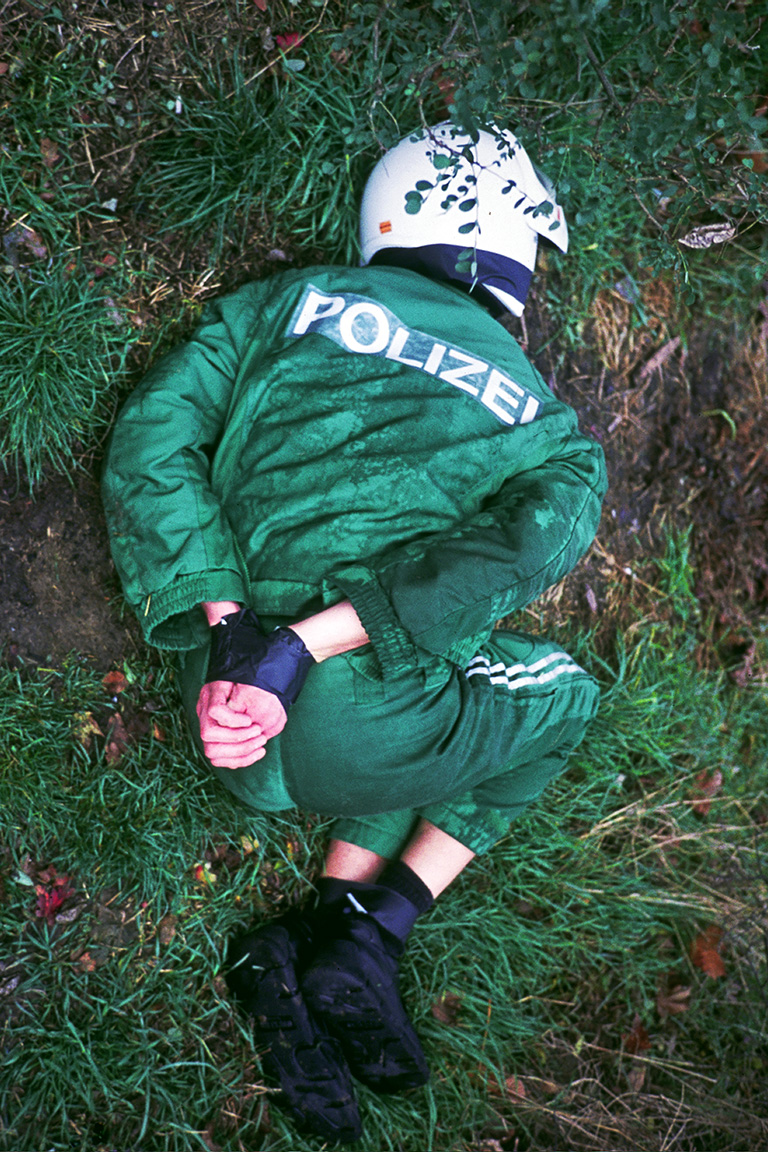
Photos by Bruce LaBruce
DRY: Judith Butler wrote in Undoing Gender: ‘…It is through the body that gender and sexuality become exposed to others, implicated in social processes, inscribed by cultural norms, and apprehended in their social meanings. In a sense, to be a body is to be given over to others even as a body is, emphatically, “one’s own,” that over which we must claim rights of autonomy. ‘ This is even more true in the age of the internet. Once our body is online we lose any real ownership of it, we cannot control how it’s perceived or judged. Our nudes might be floating in the World Wide Web forever. Bruce, you have defined yourself a ‘reluctant pornographer’, thrown into the world of sexually explicit content via a small art film where you filmed sexually explicit acts with your then boyfriend and that you thought only a few people would see, and Slava you appeared in one of Bruce’s first ‘porn’ films for Cazzo Films, how has being part, even briefly, or marginally, of the Porn Industry changed your relationship with sexually explicit content, and sex work? And how has it affected your life and work?
BLAB: We’re in a totally new, post-body world of deep fakes and A.I. in which ownership of one’s own body, or even identity, is but a quaint notion. We don’t have the luxury of being proprietary about our faces or bodies anymore. Porn has also drastically changed. When I started having unsimulated sex in my early films, no one was really doing it outside of the porn world, which was much more hidden and underground, its products delivered in plain brown wrappers. Now, and especially post-Covid, housespouses, starlets, university students, baristas, and supermarket cashiers are making their own porn on Onlyfans just to pay the bills. It’s like driving an Uber. I used to be a bit embarrassed about performing sex in movies, partly because I’m somewhat shy, and partly because a lot of people were very judgy about it. There’s less moral judgement now, although there is still definitely a glass ceiling for pornographers in the fashion and movie industries. But I’ve always expressed solidarity with pornographers and I have no problem calling myself one.
SM: I’m not a big porn consumer but I always enjoyed making my own porn. It was and still is a very liberating and transformative experience, especially coming from a very puritan and homophobic place like Russia.
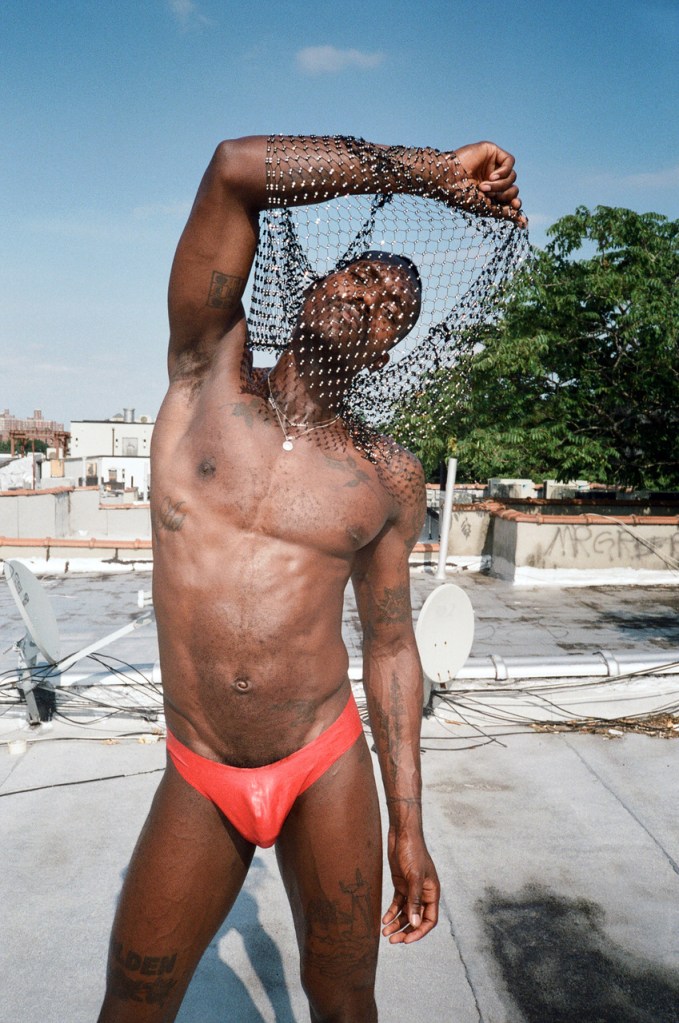


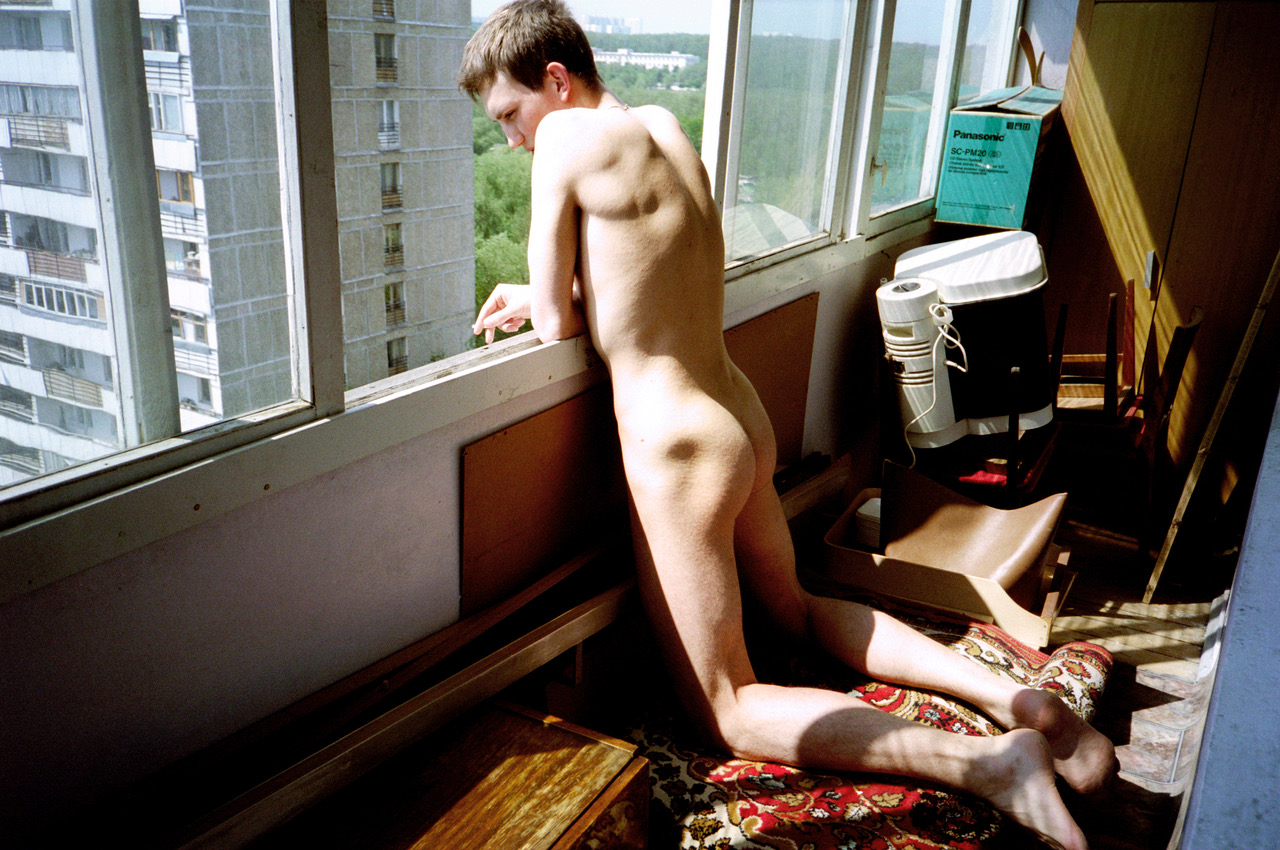
Photos by Slava Mogutin
Ultimately I remain a poet in everything I do.
Slava Mogutin
DRY: You have collaborated on and created ( more or less) sexually explicit content, how do you navigate creating sexually potent imagery with friends and collaborators? Since the #metoo movement there’s been a bigger scrutiny ( and push back against ) on sexually charged situations in the workplace and other shared spaces, do you feel it has changed the way certain types of art are created?
BLAB: I love that Toni Collette recently said in an interview that intimacy coordinators make her feel more anxious on set, and that she has sent them home before. I can relate to that. When I started making porn movies with my producer Jurgen Bruning, who founded the porn companies Cazzo and Wurst Films, we instinctively took on the role of “intimacy coordinators.” A lot of it is just common sense – casting people who have sexual chemistry, making sure actors on set are properly cared for, having closed sets for sex scenes with as few crew members present as possible, having lengthy discussions about what the actors’ boundaries are, etc. etc. On the last porn film I did for Erika Lust, “The Affairs of Lidia,” I worked with an intimacy coordinator who had only worked on non-porn films, so I ended up having to explain a lot of things to her, like what double penetration is, or why a male actor might be injecting his dick with something strange! I do think that once the parameters are established, there should be a certain leeway in terms of the director asking the performers to do certain things, suggestions, if only for the purposes of the mise-en-scene!
SM: I love the PoundMeToo movement, look how much they have accomplished!
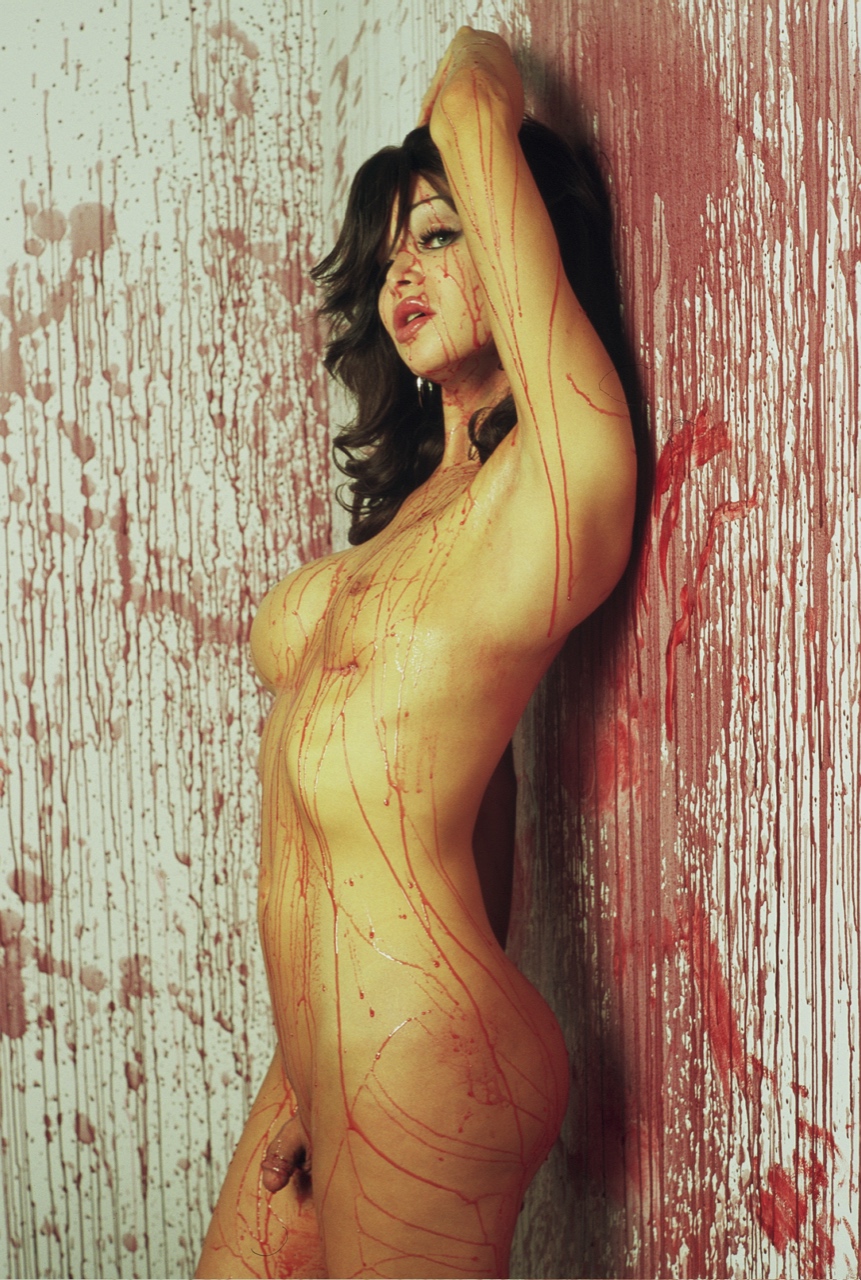
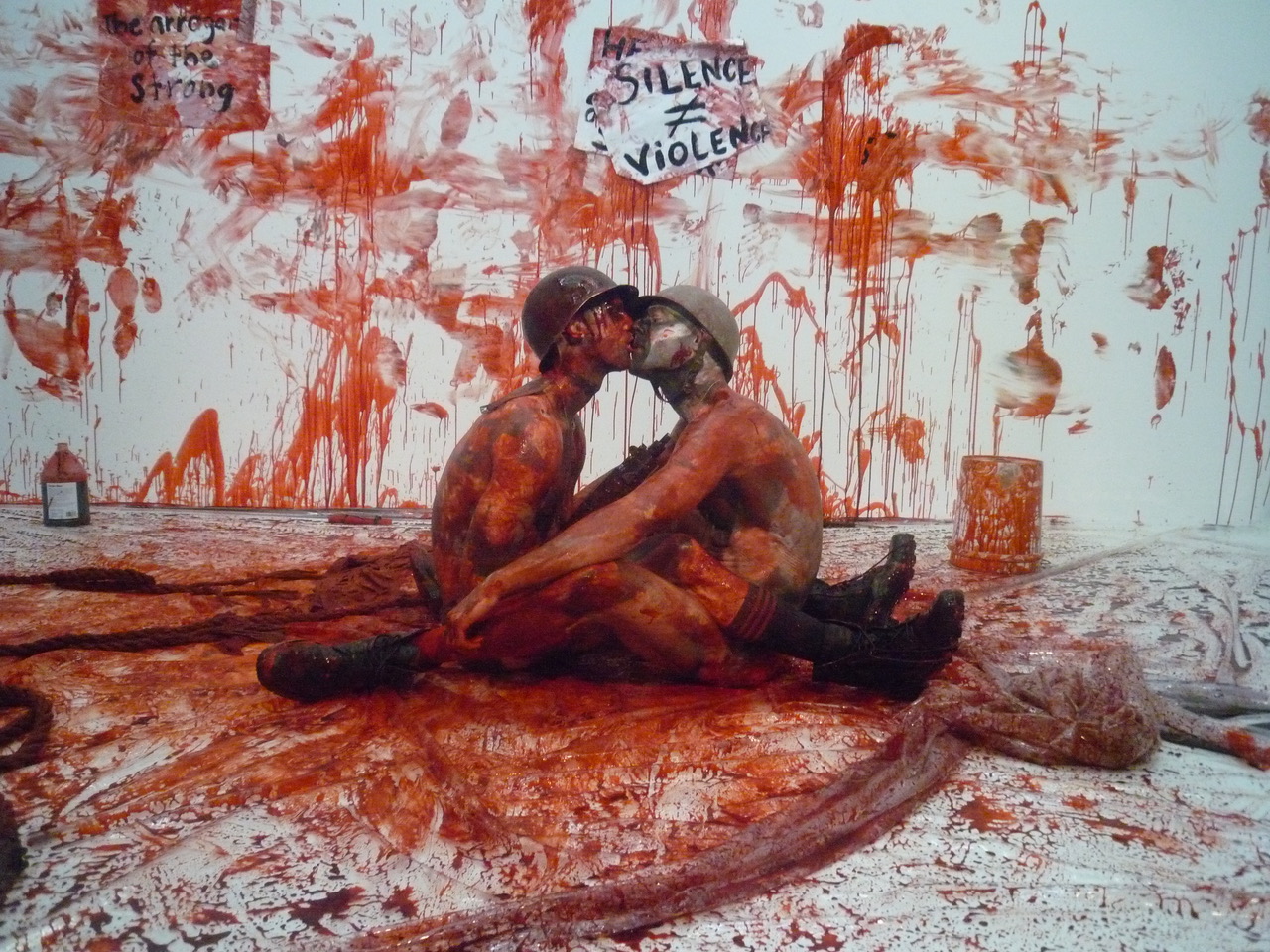
DRY: Bruce, you have often played with the concept of eros & thanatos, the tug of war between love, and sex, and death, even creating sexually explicit horror films and performances, all your latest books from Baron, notably the Death Book, but a also Photo Ephemera Vol 1 and 2 feature quite a few gallons of, I’d say mostly fake, blood. Where do you think that connection comes from, apart from the obvious influences of Performance art, especially the Viennese Actionists, and 70s horror and ‘giallo’ directors like Dario Argento and Mario Bava?
BLAB: As I mention in the interview Slava did with me as an introduction to my Death Book, I was a sensitive sissy raised on a farm, and my father was also a hunter and trapper, so I saw a lot of violent sex and death and mutilation and castration, etc. when I was a kid. It’s called “nature.” Plus it’s kind of a punk thing, aggro and all that.
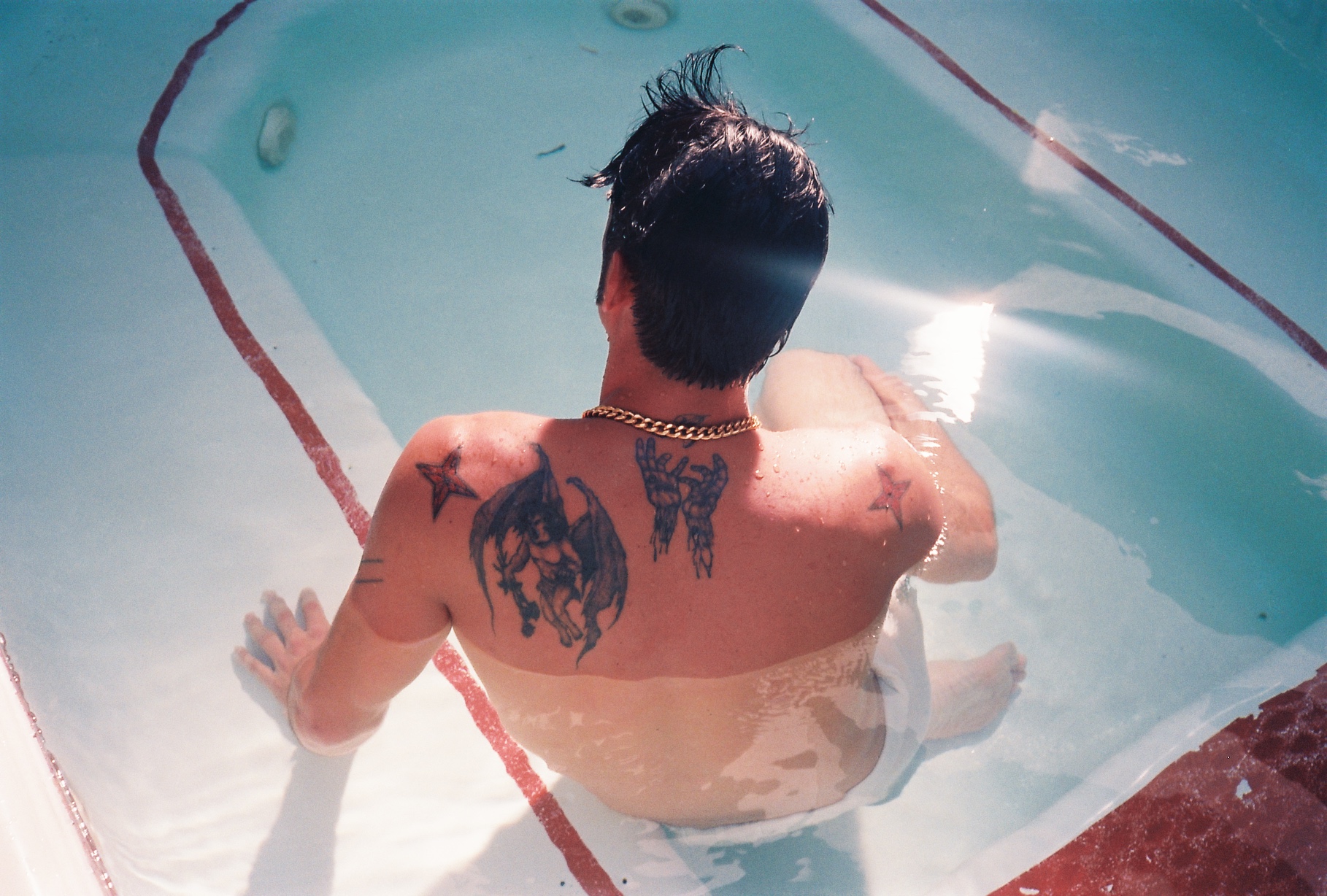
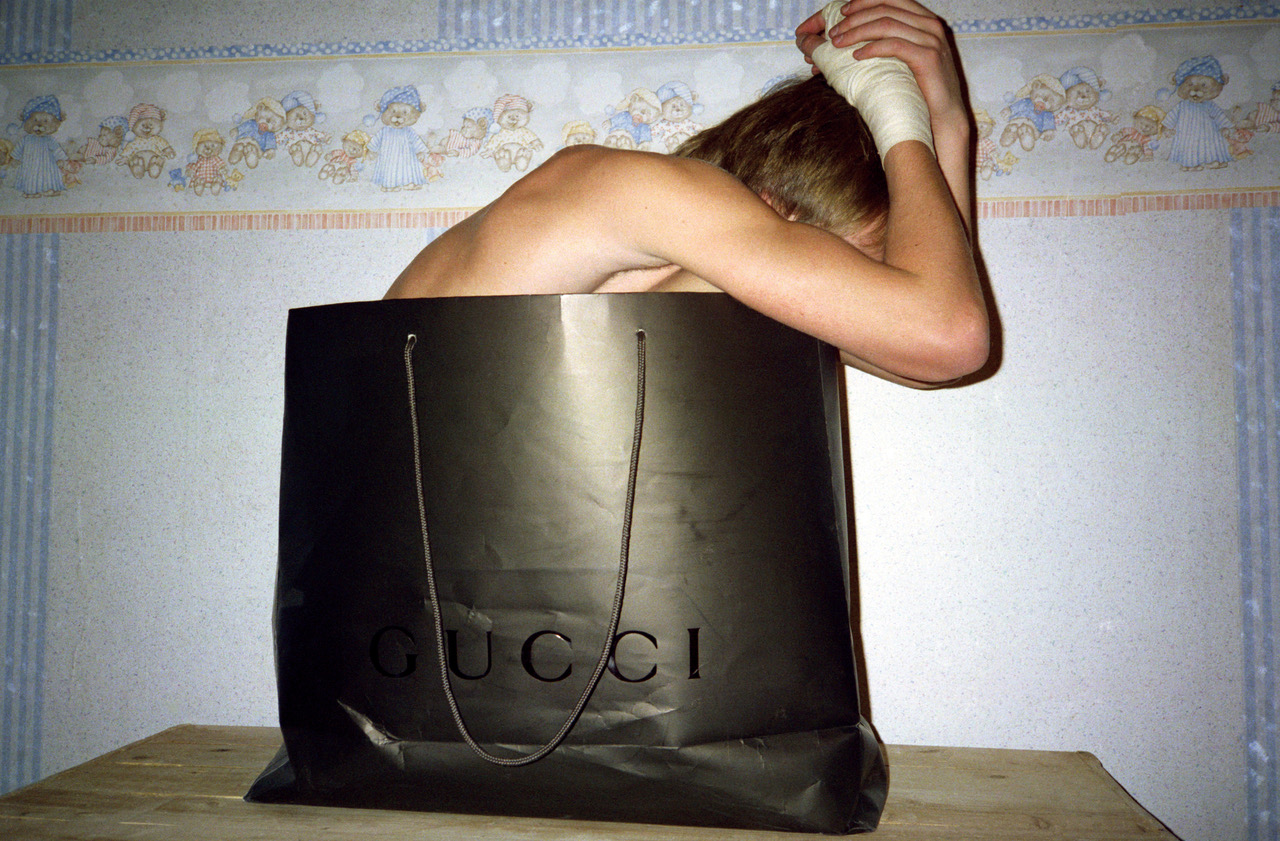
DRY: The Tom of Finland Foundation had a show in Venice during the Biennale, there seems to be a certain cultural shift towards the acceptance and celebration of images that used to be considered pornographic or at least illegal, do you think we need to frame a certain type of artistic creation through the lens of time or an intellectual framework in order to accept sexual or sensual content as artistic and separate them from their more obvious purpose of sexual arousal?
BLAB: Nah. It’s like when they used to make erotic or pornographic chap books like “Physique Pictorial” and they would have the actors pose with signifiers of Greek and Roman antiquity to “class it up” and try to make it more artistic or cultural. I think we’re beyond that. Tom of Finland was always very unapologetically pornographic, featuring S&M and fetish and fisting and double penetration and all that jazz. His work was always quite aesthetic, but it was also very unapologetically pornographic, and definitley arousing. I made a porno movie, “Service Station,” for Men.com in collaboration with Tom Of Finland based on one of Tom’s Cake cartoon strips. It was aesthetically pleasing, but it was also full-on porn.
SM: Pornography in general and gay pornography in particular was an elite genre, mostly available to bourgeoisie, up until the late 1960s. Most of the art, fashion and pop culture produced up until the late 1960s was primarily objectifying women. It’s about time that we start objectifying men.
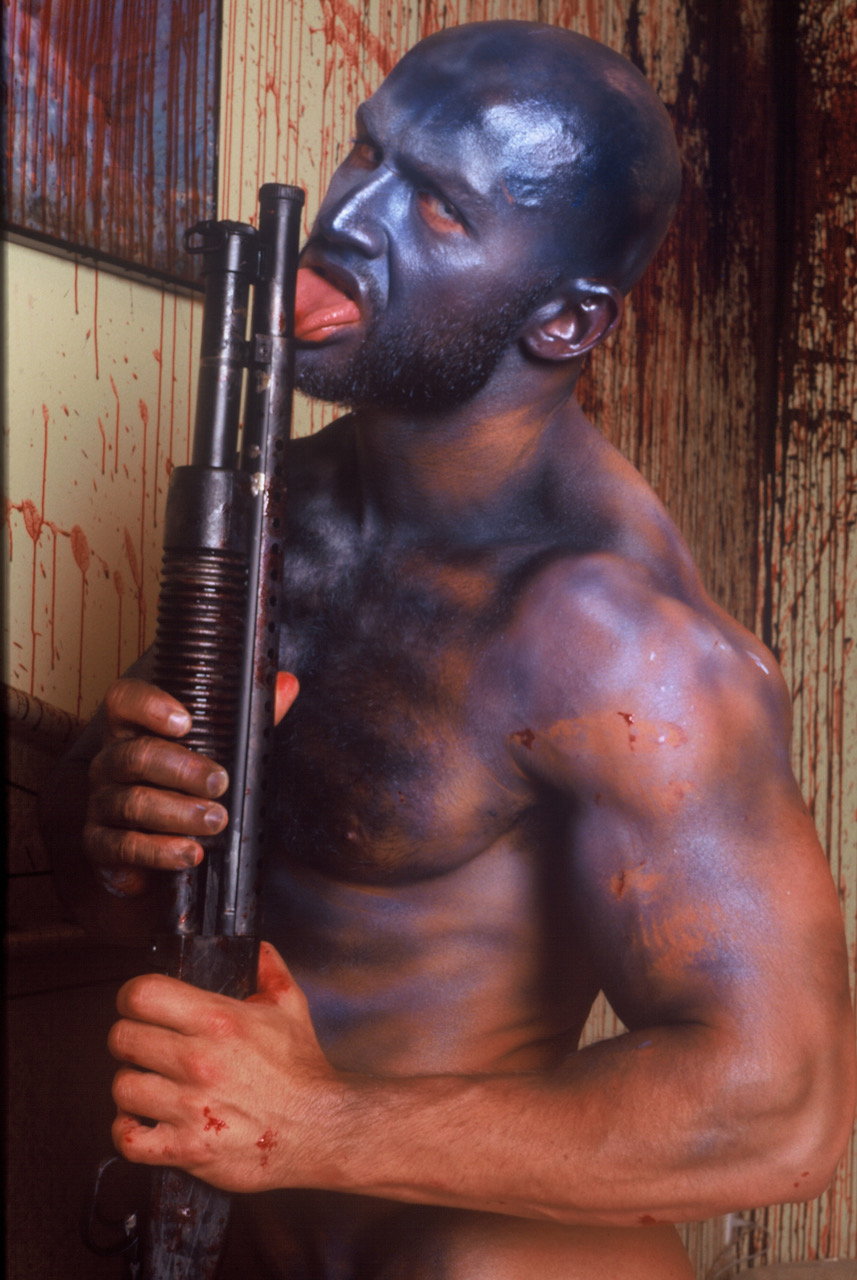
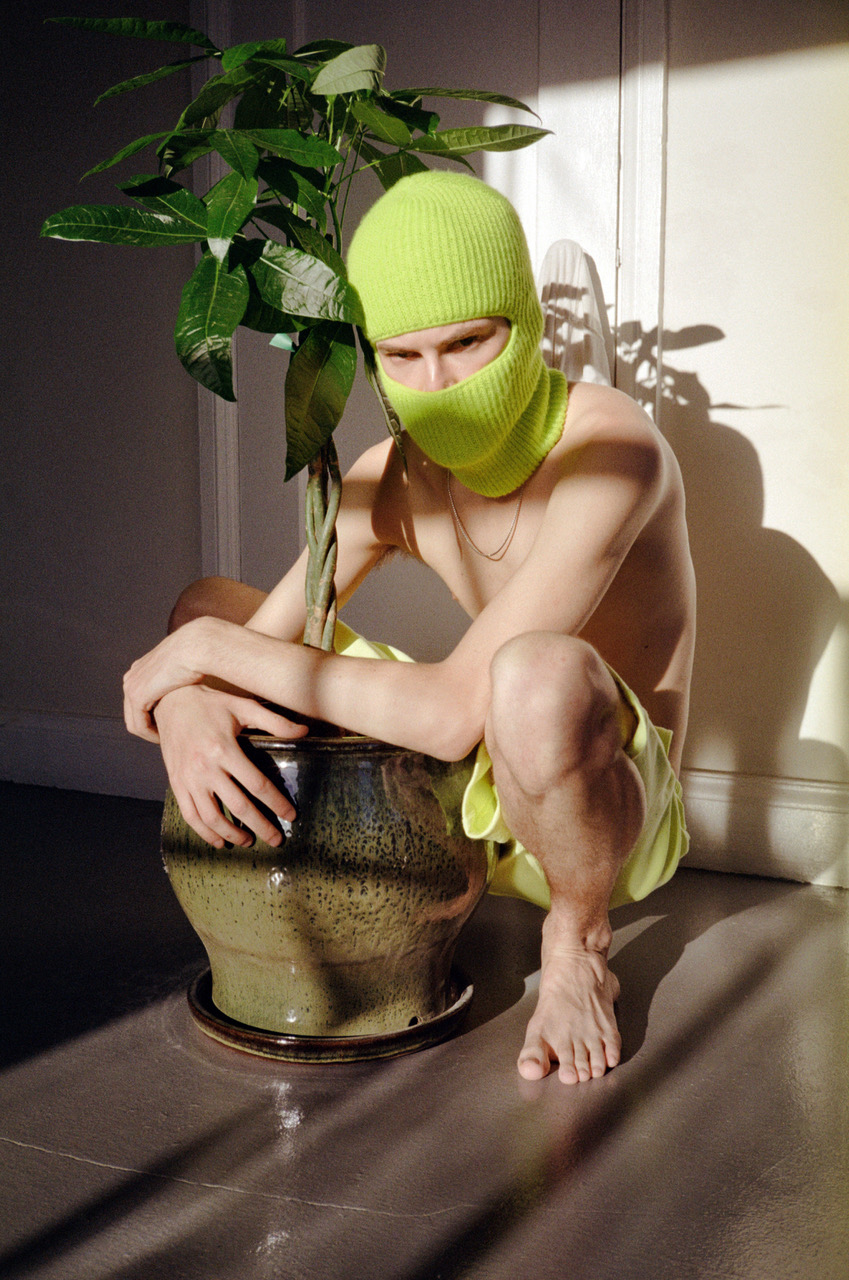
DRY: Speaking of Touko Laaksonen, the artist known as Tom Of Finland, as many pundits have noticed, his influence on menswear has been felt very strongly since the celebrations for his centenary in 2020, and the latest Spring Summer collections are rife with nods to the classic TOF ‘daddy’ types, with leather, vinyl, and tight tank tops,a return of the ‘clone’ look revisited, as both a kind of reaction to the a-gender, unisex trend but also sometimes a revisitation of the waif in ‘daddy’ drag. What is your relationship with clothes in queer representation? How would you describe your personal style and what is your relationship with clothes in creating images and films?
BLAB: As a former punk who still has a punk sensibility, I will wear the same clothes for days, weeks, or years! I like the new era of androgyny and dressing in a non-binary way – I used to dress very androgynously as a queer punk in the eighties – but I also like good old-fashioned, binary machismo and hypermasculinity, and I like femmy femmes too! It’s all good. I also have no problem dressing for comfort. People who feel like they have to dress to the nines every day and make a fashion statement every time they walk out the door are sometimes trying too hard. Although it is possible to be dégagé and still stylish. In terms of punk style, once the extreme and outré signifiers of the punk look started to be coopted by the mainstream fashion world and adopted by grannies and hipsters, a lot of punks starting dressing down and adopting a more casual look. You didn’t want to look like a postcard or Quincy punk! I also had a policy of dressing as faggoty and femmy as possible in a punk context and as punk as possible in a gay context. It was more fun that way! I’m a big fan of dialectical thinking.
SM: I really don’t care about my style, I mostly wear the clothes I designed or designed by my friends. Nothing too dressy, something comfortable to shoot in.


DRY: Historically queer culture, homosexuality in particular, has had a, one could say, almost masochistic relationship with authoritarianism ( ‘Twinks For Trump’? Really?), military iconography ( see Tom Of Finland) and Uber-aggressive figures like The Skinhead, you have actually collaborated on Bruce’s Skin Gang film, and skins, cadets and boys in uniform are featured heavily in Slava’s Lost Boys book, what is your relationship with these iconographic fetishes now?
BLAB: To paraphrase Sylvia Plath, “every faggot adores a fascist, the boot in the face, the brute brute heart of a brute like you.” For me it’s all about the turn-on of domination and submission, fetishizing the uniform, the authoritarian power figure, but somehow taking the piss out of them and offering a political critique at the same time. It’s a tricky balancing act, but you’ve got to be true to your kink!
SM: Who doesn’t like a hot Skinhead lol! I think Skin Flick is an ultimate fetish classic for queer skinheads and their admirers worldwide. I remember when Bruce & I were presenting it at the Director’s Guild of America in Hollywood in 1999 and Gus Van Sant was introducing it, and I’m pretty sure it’s the most controversial thing the three of us have done. And then again, introducing it with Bruce at his MoMA retrospective, with an afterparty at Macho Mondays, our favorite blatino go-go night in NY. Watching it again 20 years later was a real trip down memory lane!
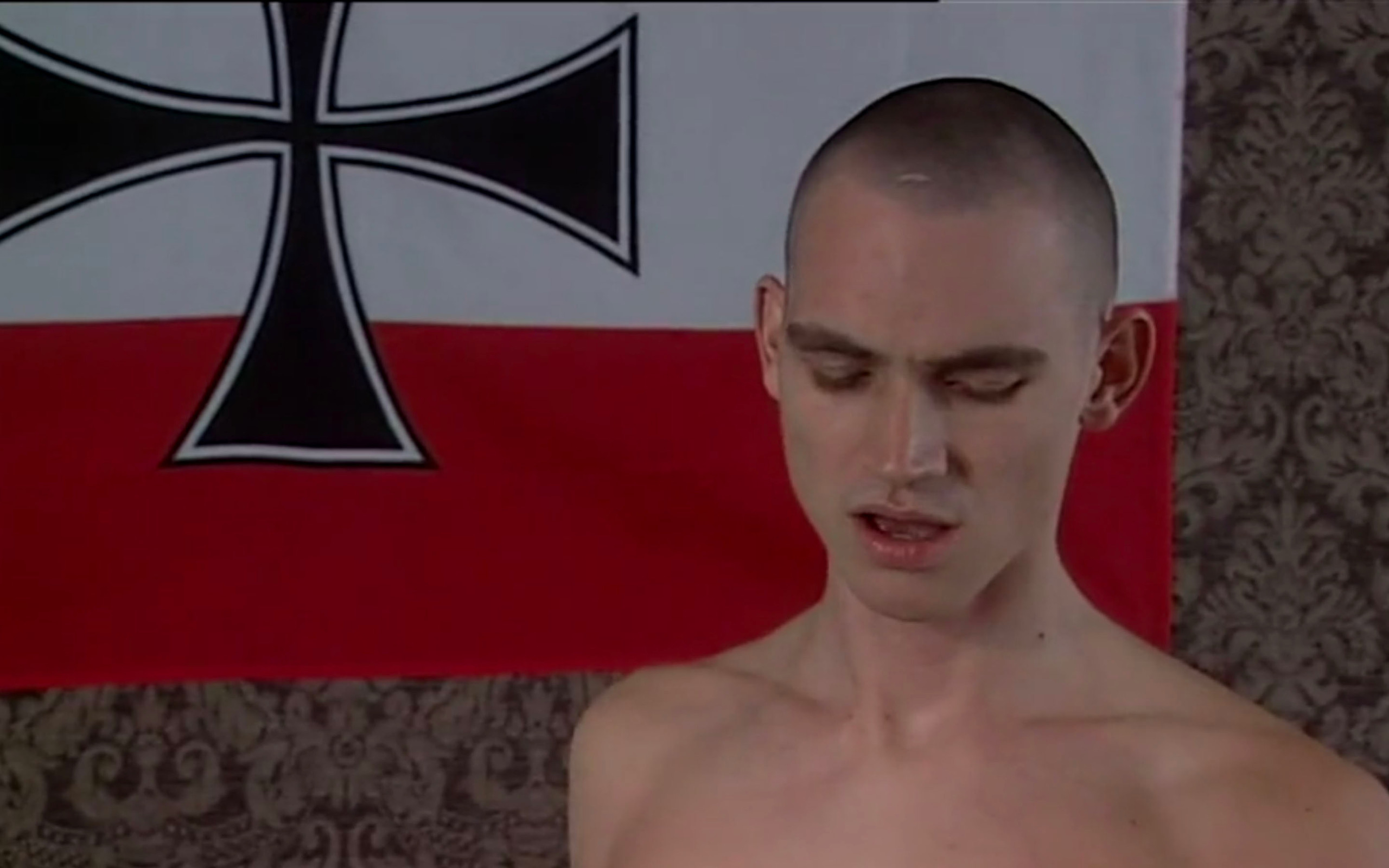
“Who doesn’t like a hot Skinhead lol! I think Skin Flick is an ultimate fetish classic for queer skinheads and their admirers worldwide.” Slava Mogutin
DRY: Speaking of Fashion you both have collaborated on collections, created merchandise, which brand would you want to create a collaboration with? And would you consider collaborating on a fashion project together?
BLAB: I don’t care about brands, and brands don’t care about me! Dust magazine, the editors of which I’ve known for a long time, recently had me shoot the Spanish star Manu Rios in Madrid. I shot him in all designer clothes, and afterwards a few of the people who work for these designers contacted me about doing something for them, but usually it comes to nothing. Sadly, I’ve yet to be asked to do a fashion campaign. I’m still considered too porny (or too Commie) for the fashion world, or even the art world, because I often work so resolutely in the porn idiom. Maybe I’ll become fashionable someday!
SM: I don’t care about brands, but brands like me. So there must be something in my work that fashion people find compelling. And I’m grateful for that.
Bruce LaBruce’s latest book The Revolution Is My Boyfriend is out on preorder on Baron books.
Slava Mogutin’s book Analog Human Studies is out on MenOnPaperArt

Ok
 REJECTS