
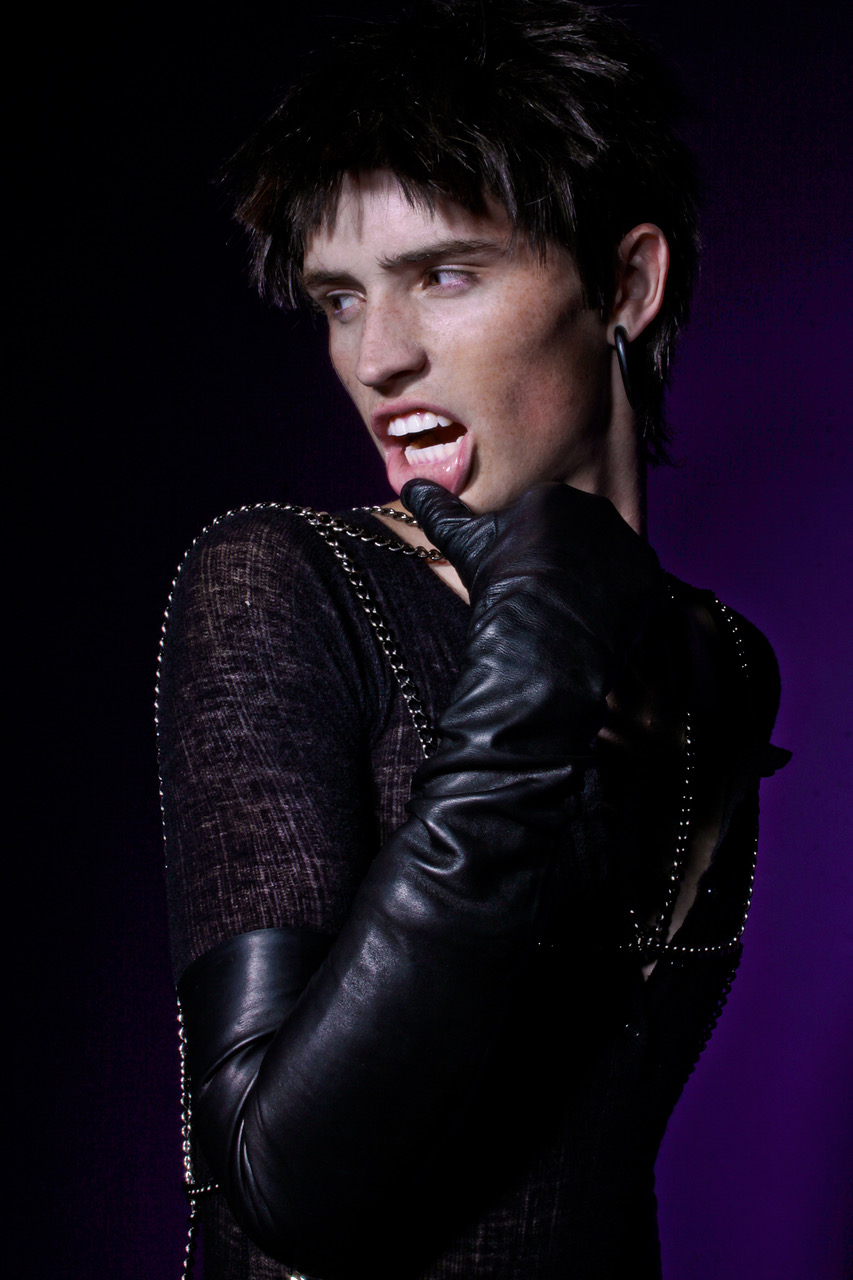
A Vintage Reject
PHOTOS LORENZO MARCUCCI
STYLING RICCARDO SLAVIK
MODELS TAYLOR COWAN, UNKNOWN
WIG MARCO GABELLINI @MARCOSWIGS
Fashion Assistant Joao Paulo Durao
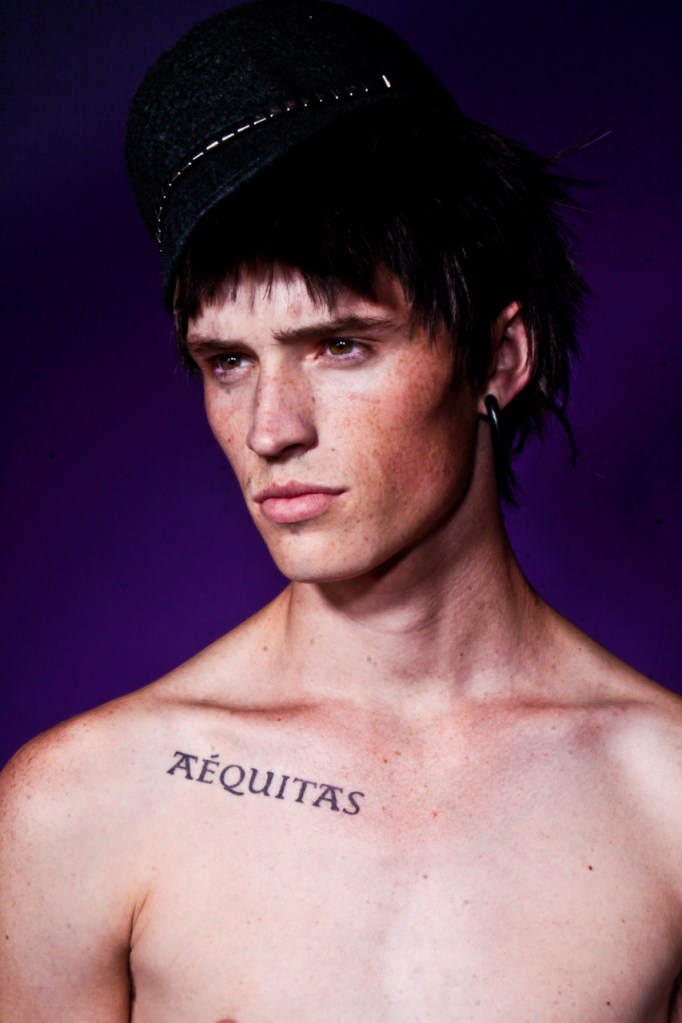
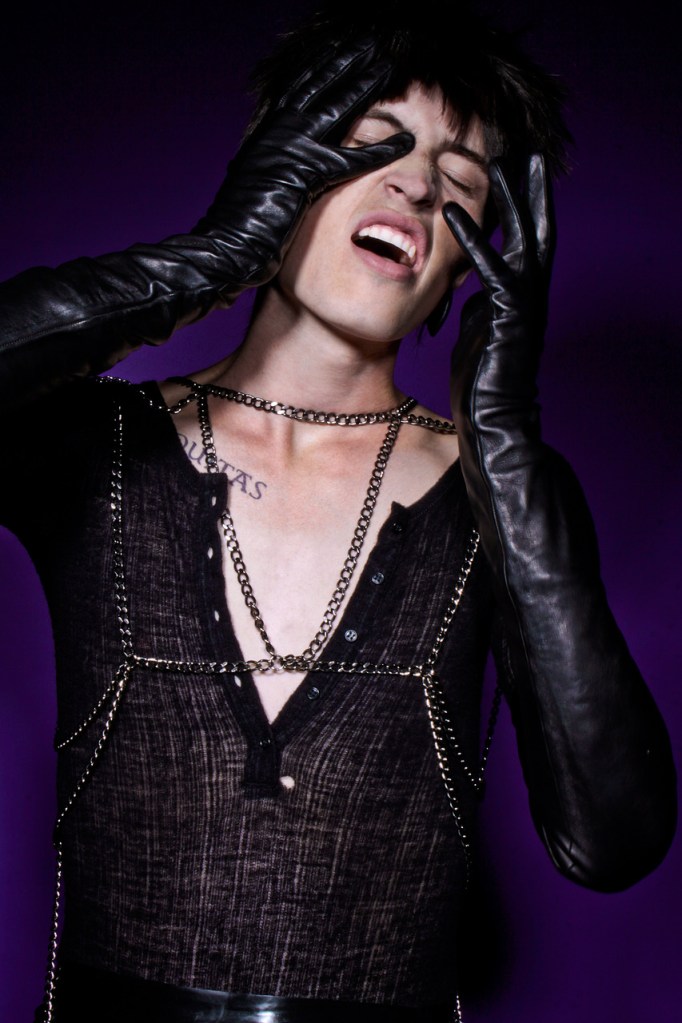
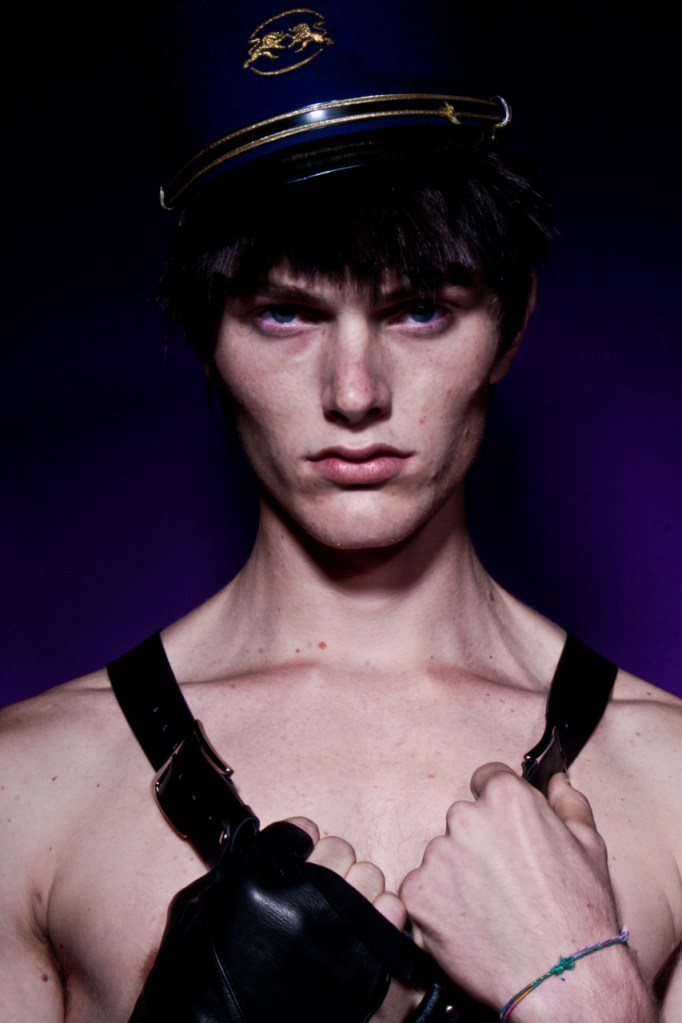
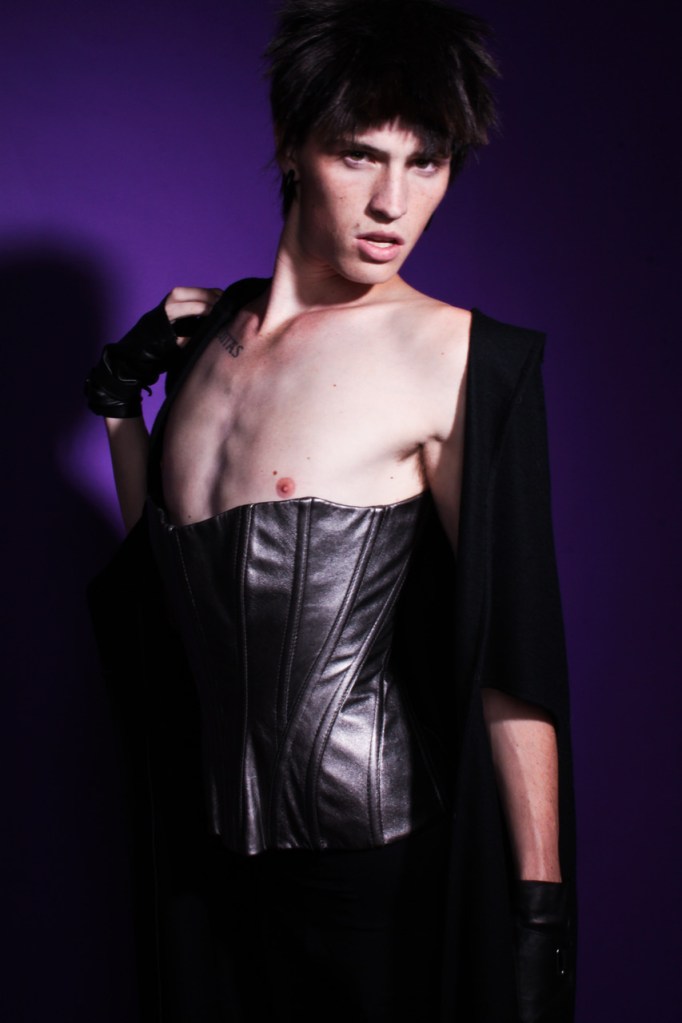
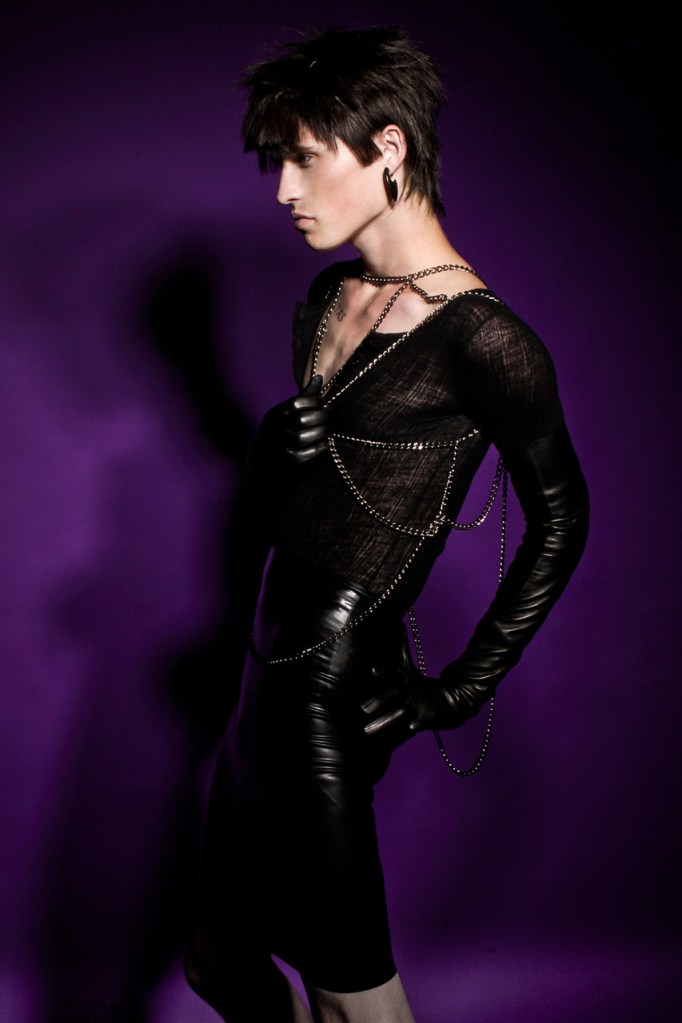
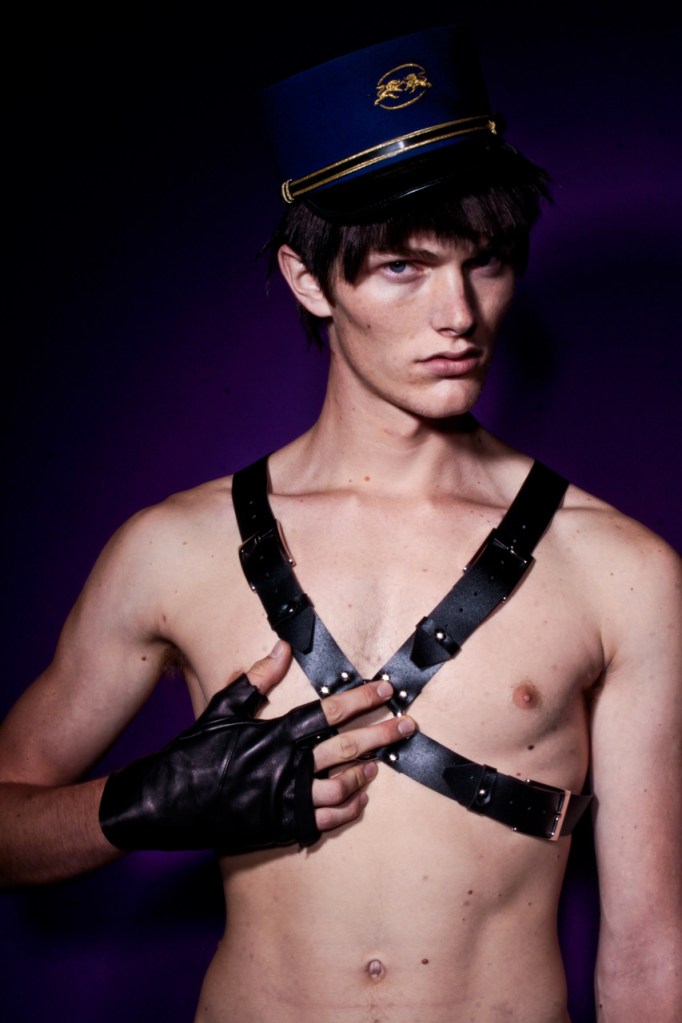
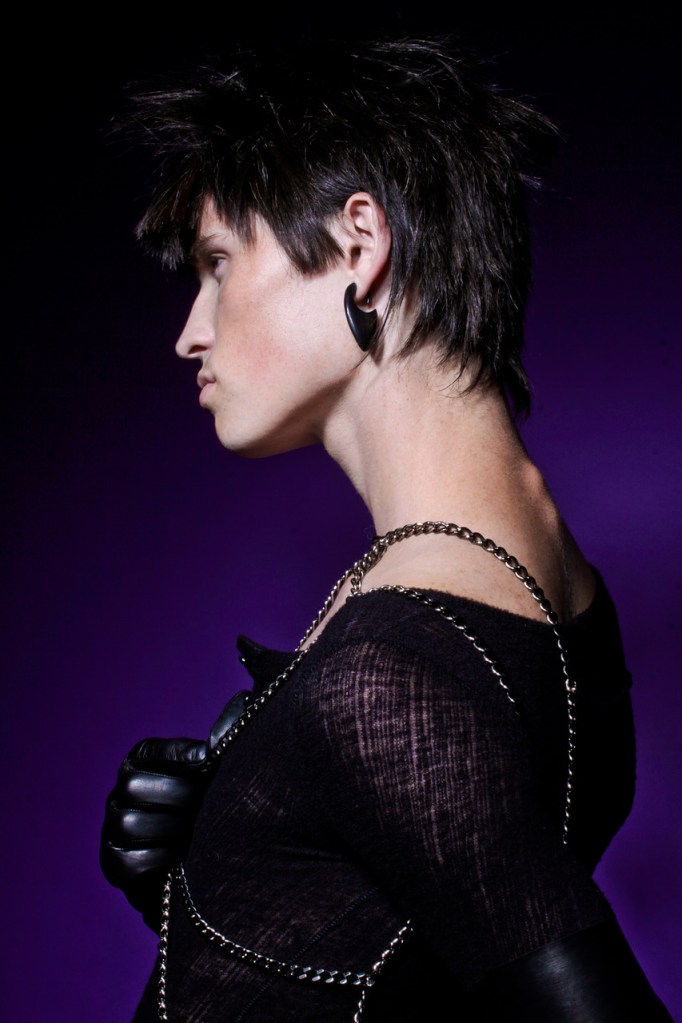
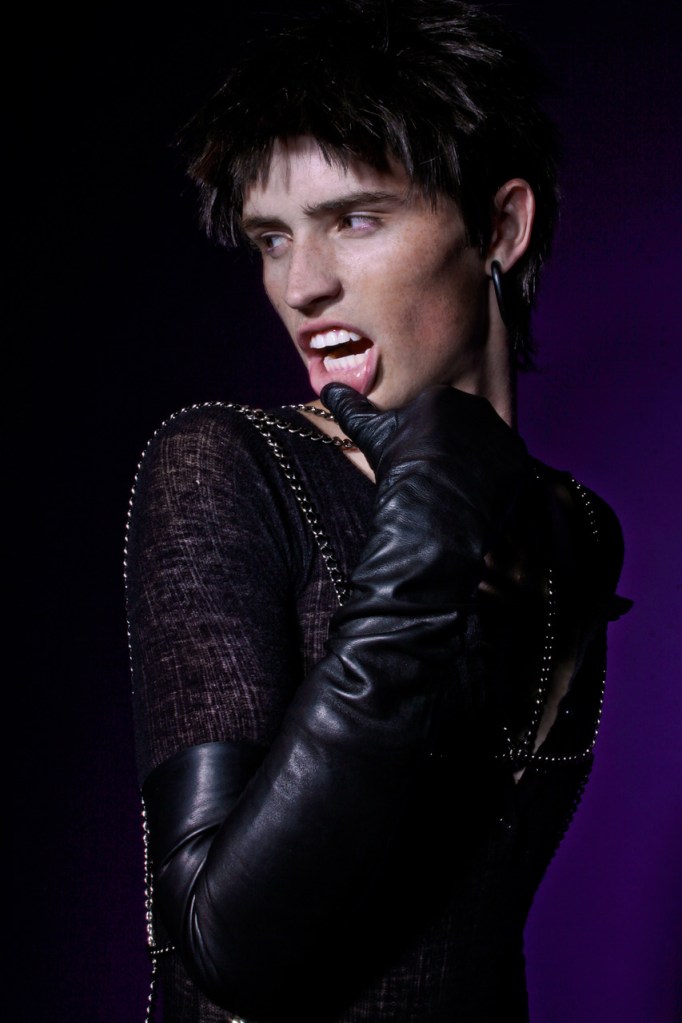
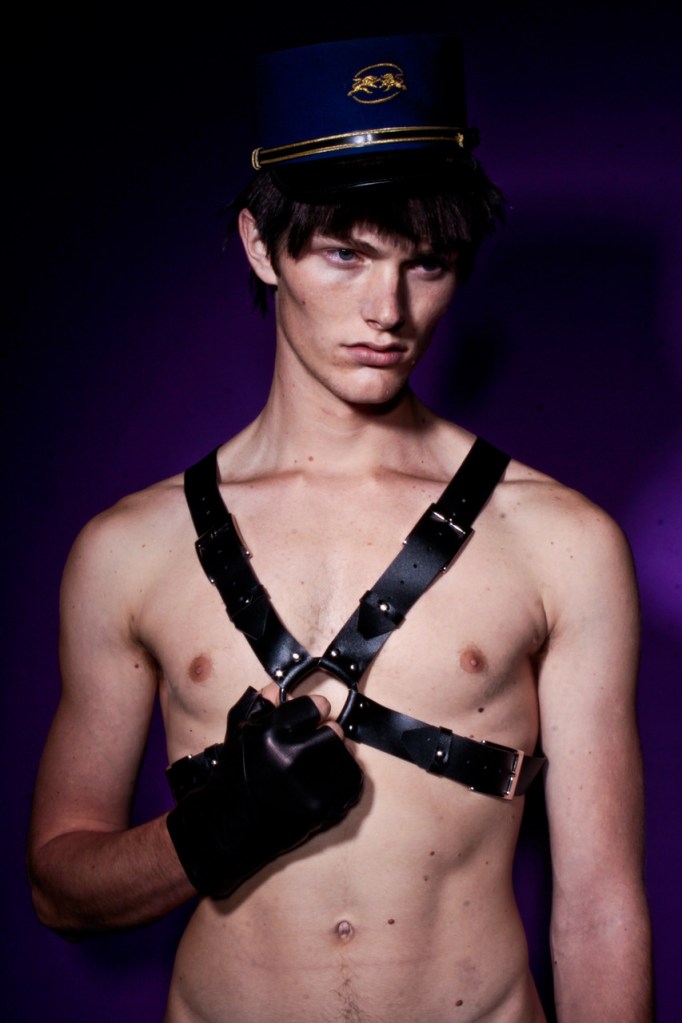
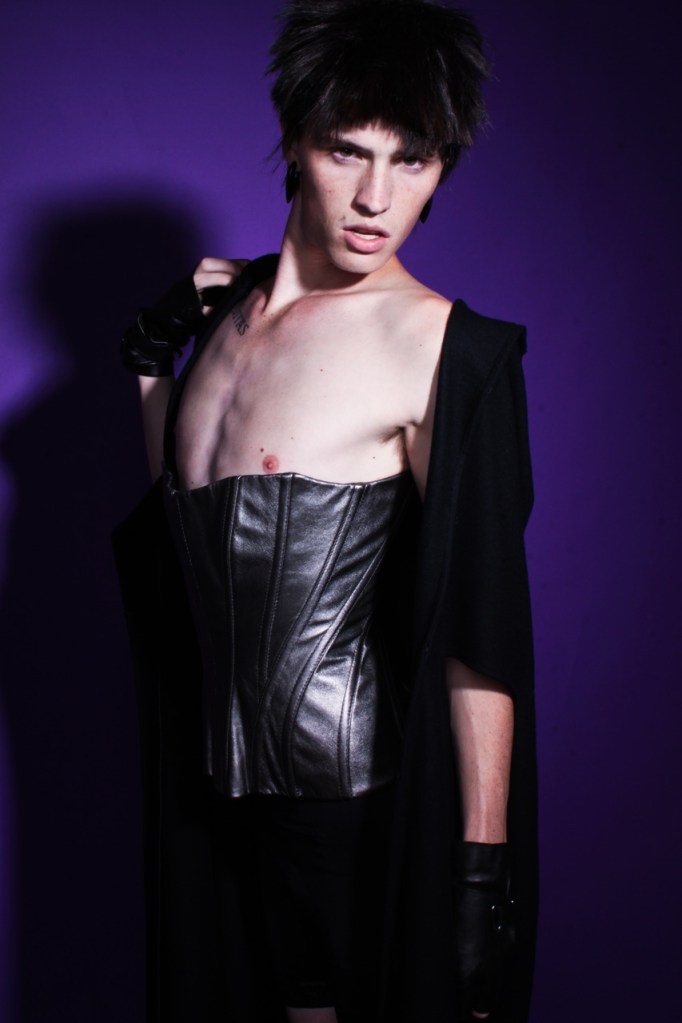
This shoot was inspired by Liliana Cavani’s The Night Porter and Louis Vuitton by Marc Jacobs controversial AW 2011 collection and it played on the sexual tension between themes of sadomasochism and uniform worship that are at the bases of the visual fascination with authoritarian fashion, or Nazi Chic, but through a lens of gender play and irony ( the only vaguely military element in the shoot is a controller’s hat from Wagon Lit ).
‘Fascist aesthetics include but go far beyond the rather special celebration of the primitive to be found in The Last of the Nuba. More generally, they flow from (and justify) a preoccupation with situations of control, submissive behavior, extravagant effort, and the endurance of pain; they endorse two seemingly opposite states, egomania and servitude. The relations of domination and enslavement take the form of a characteristic pageantry: the massing of groups of people; the turning of people into things; the multiplication or replication of things; and the grouping of people/things around an all-powerful, hypnotic leader-figure or force. The fascist dramaturgy centers on the orgiastic transactions between mighty forces and their puppets, uniformly garbed and shown in ever swelling numbers. Its choreography alternates between ceaseless motion and a congealed, static, “virile” posing. Fascist art glorifies surrender, it exalts mindlessness, it glamorizes death.
More important, it is generally thought that National Socialism stands only for brutishness and terror. But this is not true. National Socialism—more broadly, fascism—also stands for an ideal or rather ideals that are persistent today under the other banners: the ideal of life as art, the cult of beauty, the fetishism of courage, the dissolution of alienation in ecstatic feelings of community; the repudiation of the intellect; the family of man (under the parenthood of leaders). These ideals are vivid and moving to many people, and it is dishonest as well as tautological to say that one is affected by Triumph of the Will and Olympia only because they were made by a filmmaker of genius. Riefenstahl’s films are still effective because, among other reasons, their longings are still felt, because their content is a romantic ideal to which many continue to be attached and which is expressed in such diverse modes of cultural dissidence and propaganda for new forms of community as the youth/rock culture, primal therapy, anti-psychiatry, Third World camp-following, and belief in the occult. The exaltation of community does not preclude the search for absolute leadership; on the contrary, it may inevitably lead to it. (Not surprisingly, a fair number of the young people now prostrating themselves before gurus and submitting to the most grotesquely autocratic discipline are former anti-authoritarians and anti-elitists of the 1960s.)’.
from Fascinating Fascism by Susan Sontag (1933-2004) a review of The Last of the Nuba by Leni Riefenstahl (1974)
New York Review of Books
February 6, 1975
We Suffer for Love, Love Is Suffering: ‘The Night Porter’
‘Cavani’s film certainly pushes for the extreme in the emotional exploits of fascism; its uncomfortable balance of unthinkable sadism and loving tenderness pushes the narrative in areas with so many shades of grey, we are left wondering just how we should feel and react. The truth is, given the rather sordid premise and the incisively nuanced and textured performances, there isn’t any true way one could possibly react. This is both to the film’s benefit and detriment. Indeed, Cavani means for us to explore our ideas of love and suffering and our views on fascism. The ironic discovery of The Night Porter is that we suffer in order to obtain love, yet love is the source of suffering.’
 REJECTS